
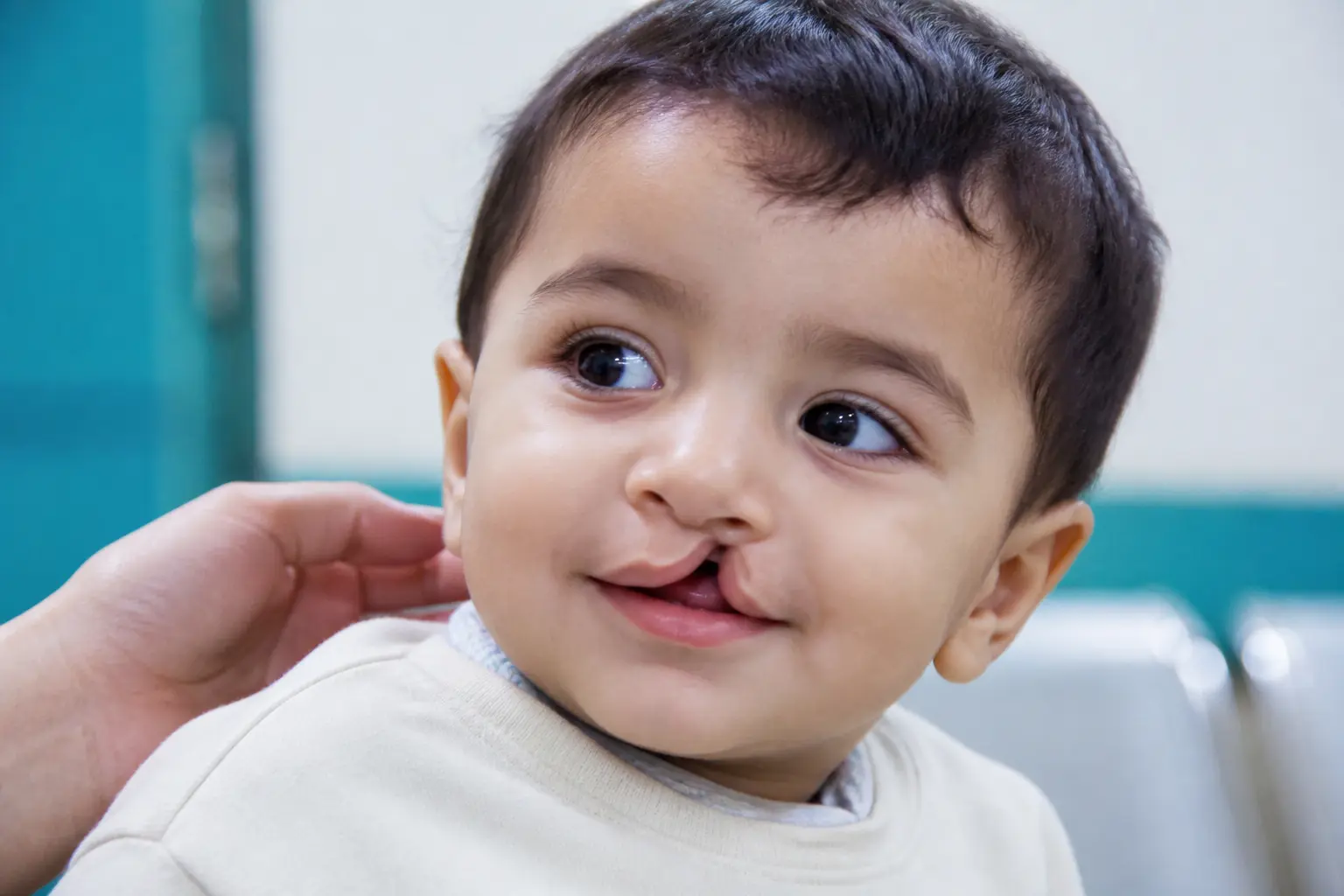
Cleft lip, often accompanied by cleft palate, is one of the most common congenital conditions affecting the face and jaws. It is not only about appearance. It can affect feeding, speech, jaw growth, dental health, and sometimes hearing and breathing.
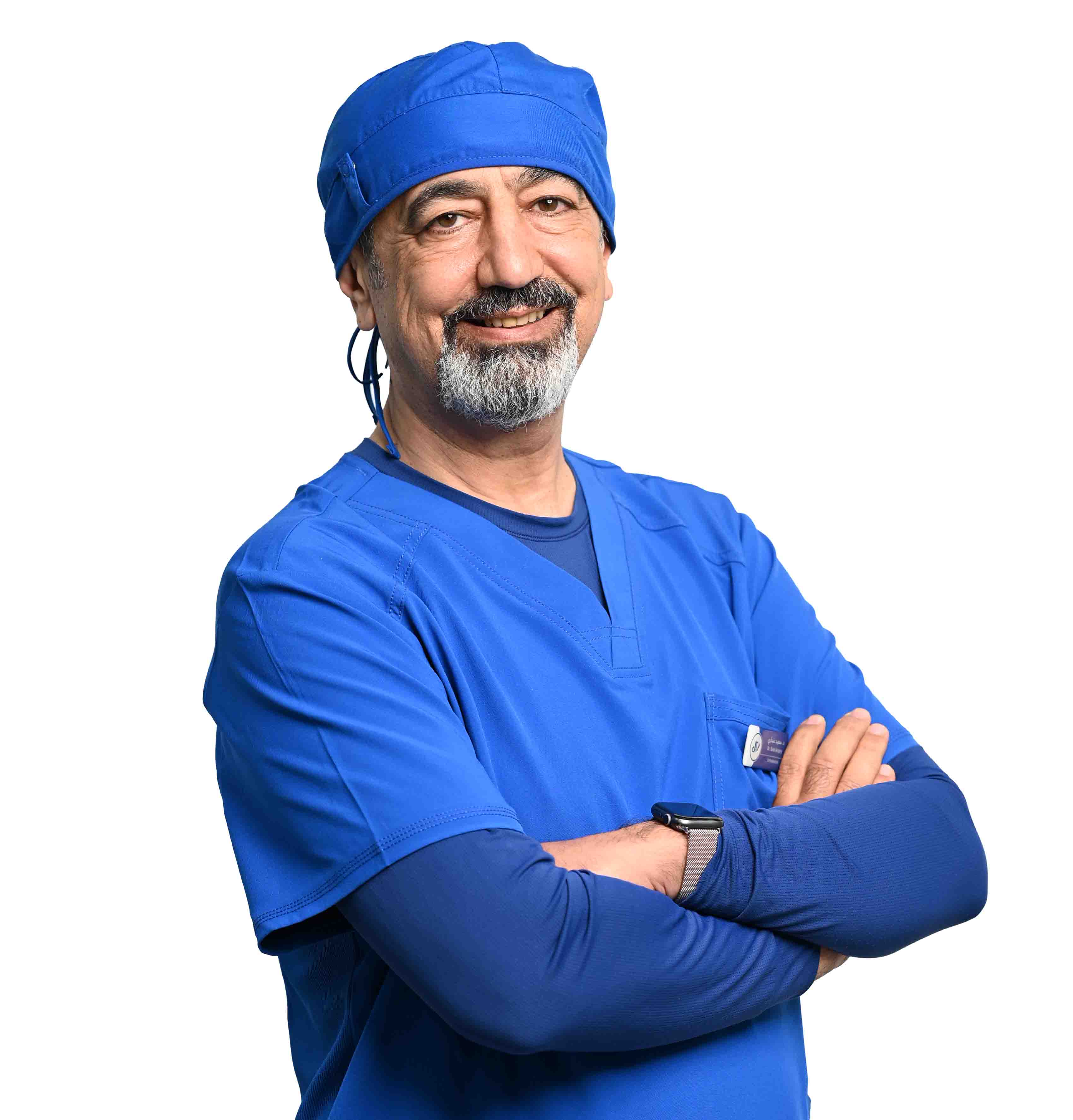
At Joele Clinics in Jeddah, care is delivered through a multidisciplinary approach that brings together surgery, pediatrics, orthodontics, and family support. This article is guided by Dr. Saeed Anjari, Specialist in Orthodontics and Dentofacial Orthopedics.
Below is a practical, in-depth roadmap: diagnosis, feeding, surgery, orthodontic guidance across growth stages, plus a medical video answering the questions parents ask most.
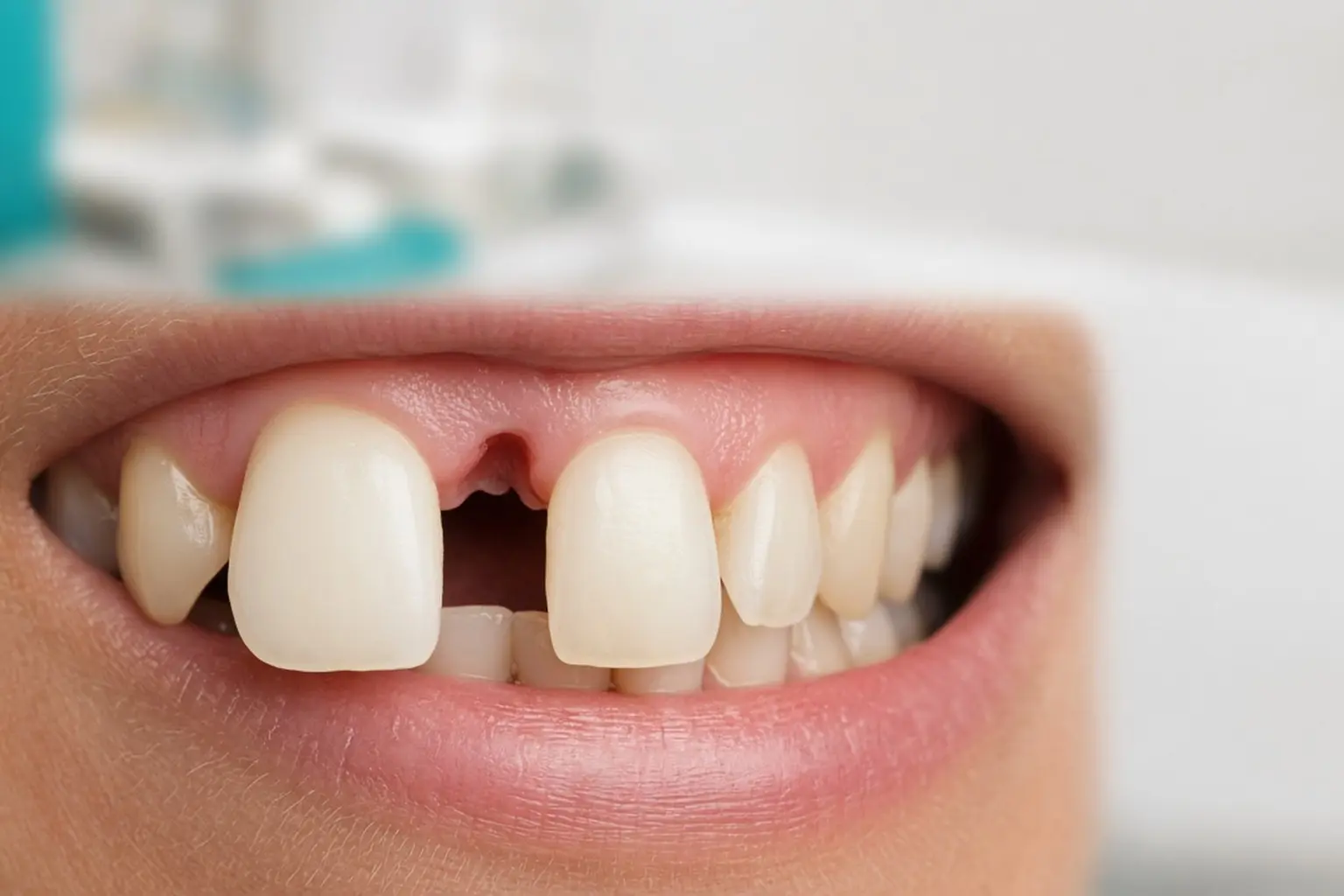
A cleft lip is a separation in the upper lip that occurs when facial structures do not fully join in early pregnancy. It may be unilateral or bilateral, limited to the lip, or extend into the gum and upper jaw.
A cleft palate is an opening in the roof of the mouth (hard and/or soft palate). It may be obvious or submucosal (hidden). Lip and palate clefts often coexist, so the condition should be assessed as one functional and anatomical unit—not as a cosmetic issue alone.
Correct classification of type and severity is the foundation of a personalized treatment plan.
Protocols differ, but one principle stays constant: earlier structured care reduces complications and improves long-term outcomes.
There is rarely a single cause. Cleft conditions usually result from a mix of genetic and environmental factors in early pregnancy, including family history, certain maternal health/medication contexts, nutritional factors such as folic acid in prevention discussions, and harmful exposures like smoking.
For parents, the key message is clear: a cleft is not the mother’s fault, and it is not a final verdict on the child’s future. With an experienced team and an early plan, functional and aesthetic results are excellent in a large proportion of cases.
A cleft may be detected on prenatal ultrasound or diagnosed at birth. Early identification helps families prepare: choosing a care center, meeting the team, and arranging feeding support from day one.
After birth, assessment usually includes clinical examination of lip, nose, and palate; feeding/swallowing/breathing evaluation; ear and hearing checks when indicated; and a timed roadmap for surgery, orthodontics, and later speech therapy.
Feeding is often the first major challenge. With an open palate, milk can enter the nose, feeds take longer, babies tire quickly, and weight gain may suffer without early support.
Care should not wait weeks. In many cases, a custom feeding/orthopedic plate (artificial palate) is fabricated after precise impression/measurement. It helps separate the oral and nasal cavities during feeds, improve efficiency, reduce nasal regurgitation, and in some protocols gently guide tissues before surgery.
Special bottles and feeding positions are also taught. The goal is safe nutrition and healthy weight gain before major surgical steps.
Source: explanatory video on the cleft lip treatment plan with Dr. Saeed Anjari.
In this video, Dr. Saeed Anjari answers parents’ most common questions:
Excellent outcomes come from teamwork:
At Joele Clinics, we aim for a written, age-based plan that families understand and that can adapt as the child grows—without losing the core sequence of care.
Exact timing depends on the center’s protocol and the child’s condition, but common principles include early lip repair in the first months after stable feeding and weight; later palate repair timed to support speech while protecting maxillary growth as much as possible; and possible later procedures for the nose, alveolar bone grafting, or refinements.
Surgery is essential, but not the finish line. Orthodontic follow-up and growth monitoring protect and refine the result over the years.
Orthodontics starts early—not only after permanent teeth erupt. Dr. Saeed Anjari emphasizes walking with the child through growth stages to guide the jaws and compensate for cleft-related discrepancy.
Without early growth guidance, maxillary constriction and complex malocclusion can worsen. Orthodontics is a core partner to surgery, not a delayed cosmetic add-on.
Parents rightly ask whether their child will look, speak, and eat normally. The realistic and hopeful answer: yes, most children can achieve excellent functional and aesthetic outcomes when care starts early and the team is coordinated.
Some complex or bilateral cases may need later refinements, but modern goals go beyond simple closure: natural function, balanced appearance, and social confidence.
Core message: start on day one, even if major surgery comes later.
At Joele Clinics, families receive a clear pathway for cleft-related jaw growth and bite care. Dr. Saeed Anjari leads the orthodontic and growth-guidance side within an integrated Jeddah-based clinic system.
If your newborn or child has a cleft lip/palate, or you need a second opinion on orthodontic timing, book a specialist consultation to build an age-appropriate plan.
Cleft lip is highly treatable with an early, multidisciplinary plan. Feeding is managed from day one, surgery is timed carefully, and orthodontics accompanies growth step by step. With consistent follow-up, the chance of near-natural function and appearance is high.
Watch the video section above, then contact Joele Clinics to start without delay.



Add your Comment