
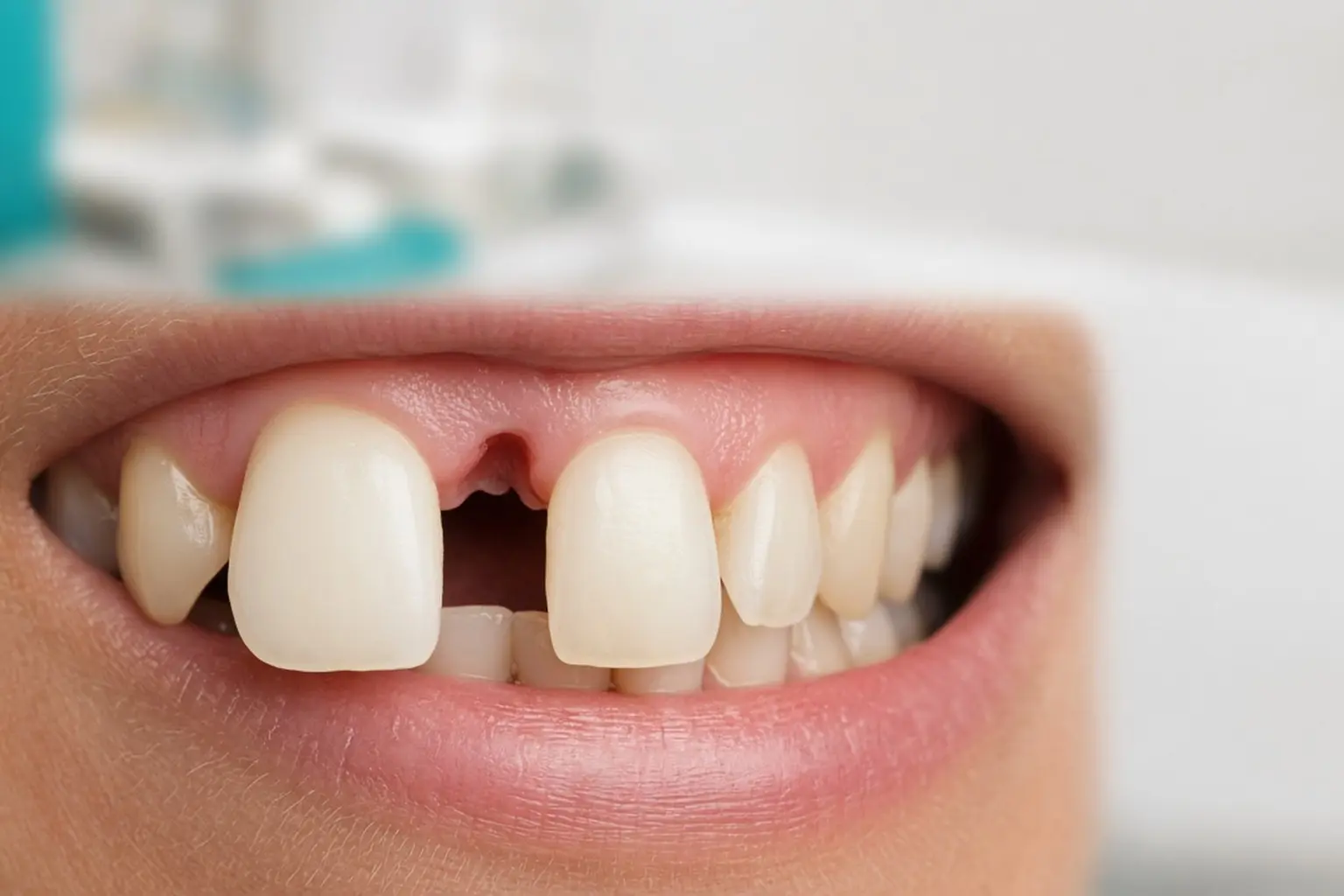
A common question in Jeddah orthodontic clinics: someone discovers they have congenitally missing teeth — not extracted, not lost to trauma — the permanent tooth simply never formed. Most often this involves the lateral incisors next to the front teeth.
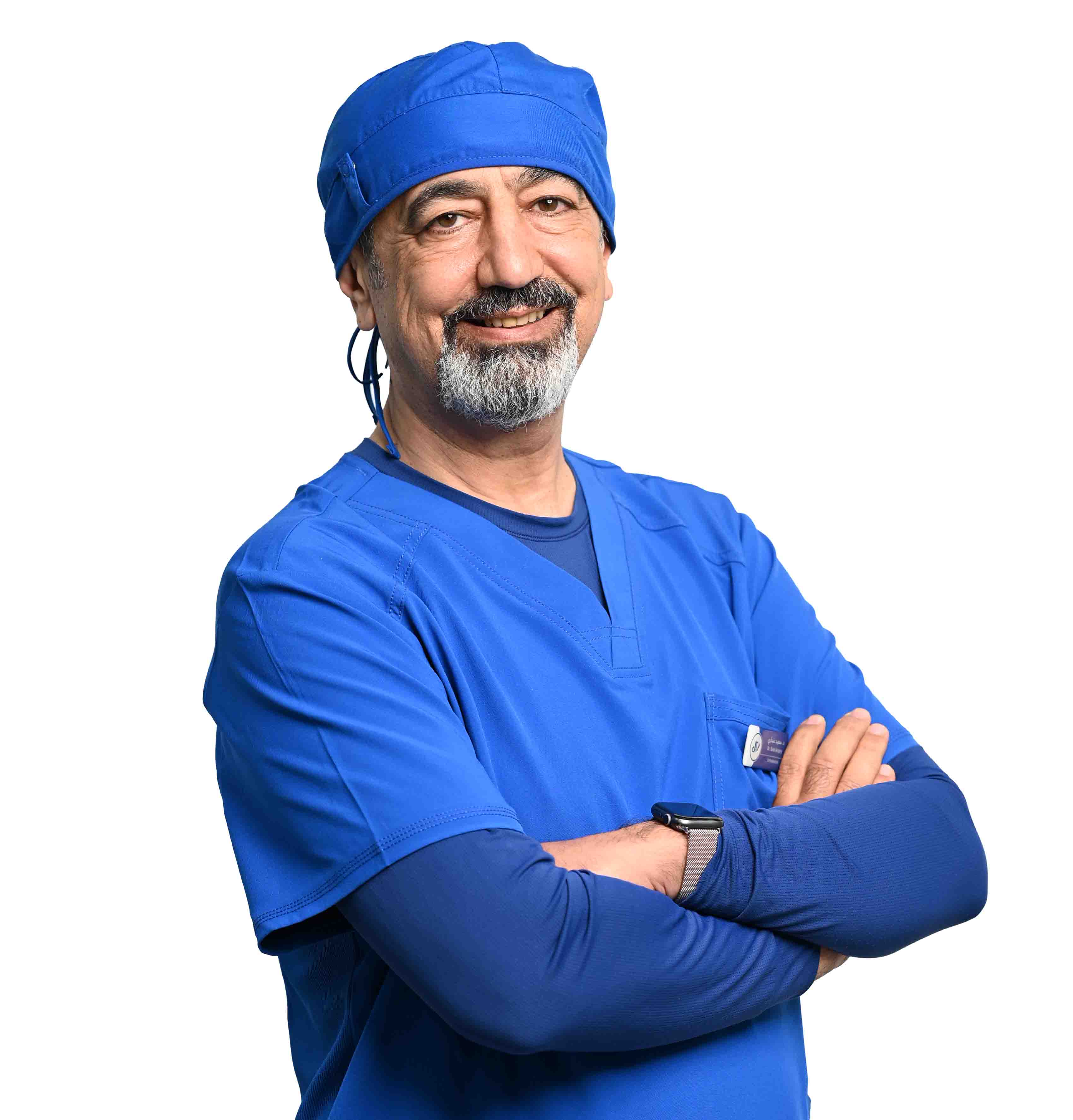
At Joele Clinics, Dr. Saeed Anjari, Specialist in Orthodontics and Dentofacial Orthopedics, together with Dr. Ammar Al Jazaery, Orthodontic Consultant, explain that there are usually two main paths — and the right one depends on bite, smile aesthetics, and the size of the teeth you already have.
Source: short video on congenitally missing teeth with Dr. Saeed Anjari and Dr. Ammar Al Jazaery — Joele Clinics, Jeddah.
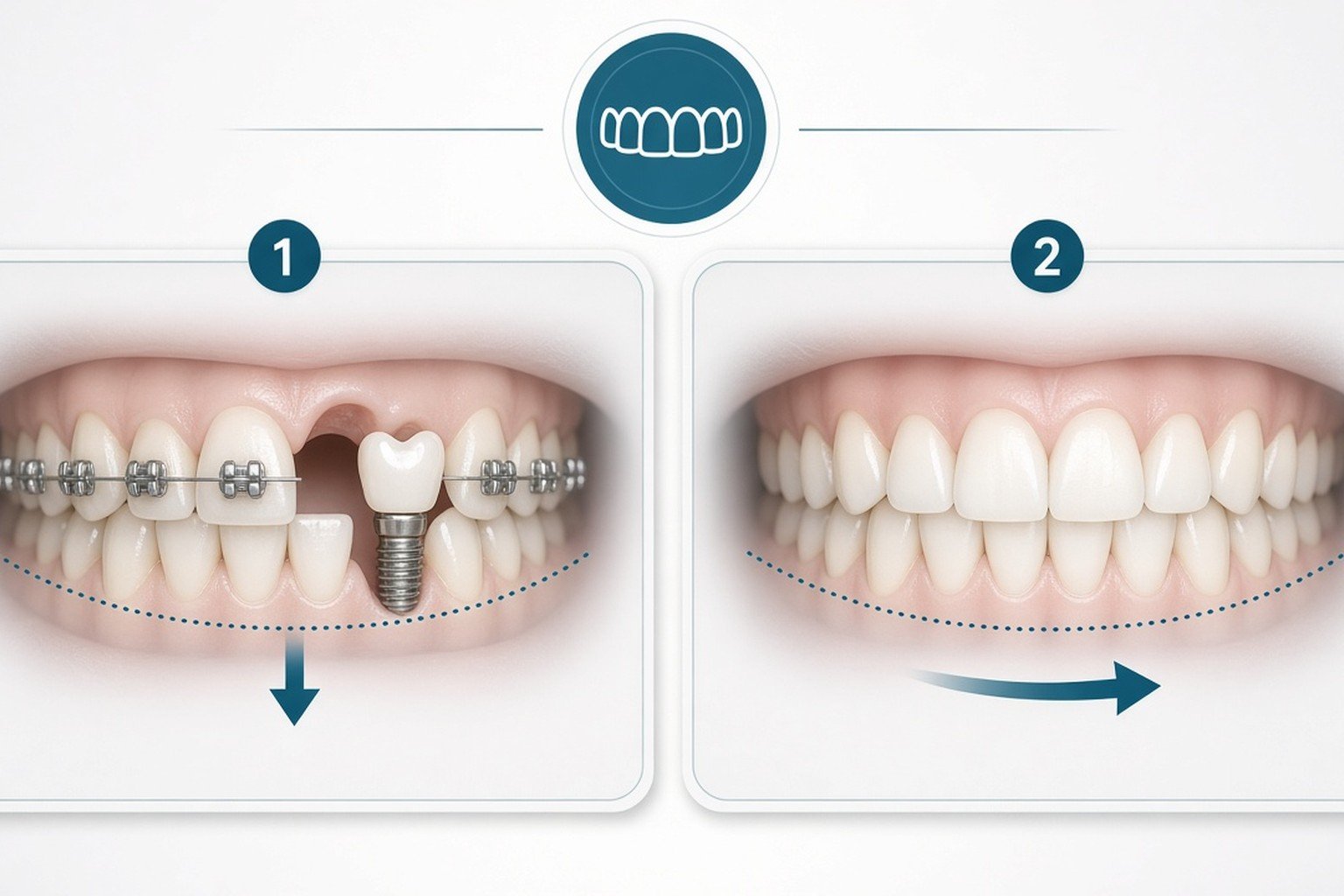
Not every case fits one recipe. Diagnosis chooses the path.
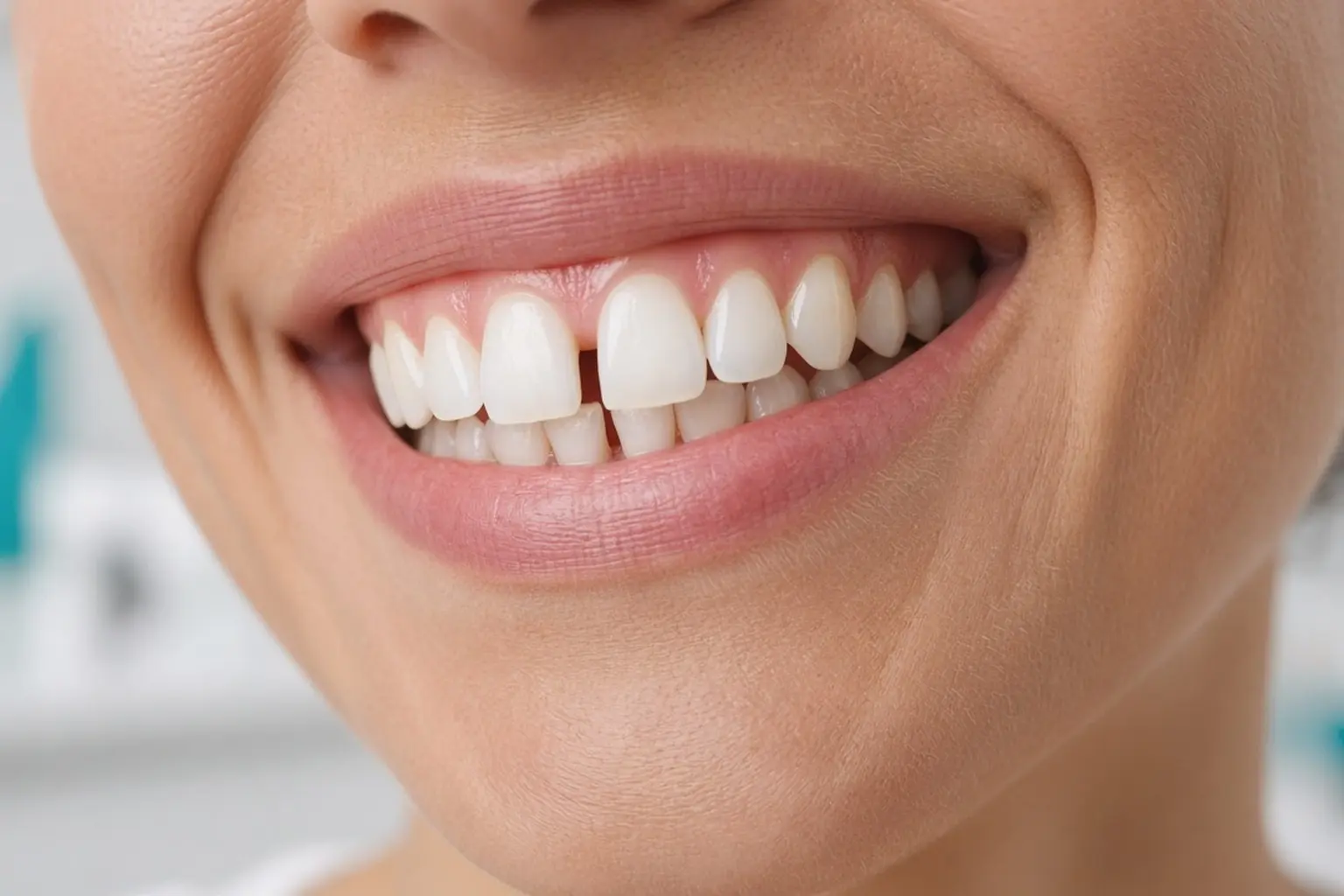
Clinically this is often called hypodontia: one or more permanent teeth never formed in the bone, so they never erupt on schedule. A baby tooth may stay for years, or a visible gap appears.
Most common smile sites:
The issue isn’t “just a gap.” It affects occlusion, tipping of neighbors, and how the smile fits the face.
Orthodontics redistributes teeth and opens a precise space for a future implant or restoration. After the site is stable, an implant and crown match the shade and shape of neighboring teeth.
When it fits:
Aesthetic results can be excellent — with coordinated planning between orthodontics and implant dentistry.
In selected cases — especially when canines are small and well shaped — orthodontics can close the gap: the canine moves closer to the central, creating a continuous smile without a gap and without an implant.
Dr. Saeed’s key point: the goal isn’t “to place something.” The goal is the best natural outcome for that patient. Avoiding an artificial tooth can be kinder aesthetically and psychologically long-term when anatomy allows.
As Dr. Ammar Al Jazaery notes, the decision is not preference alone. It depends on:
That’s why assessment often involves orthodontics — and sometimes implants/cosmetics — before any plan starts.
Congenitally missing teeth — especially laterals — have two evidence-based paths: open space and implant, or close the gap with braces. The prettiest plan isn’t always an implant, and the smartest plan isn’t always closure. Watch the video and diagram, then book an assessment with Dr. Saeed Anjari at Joele Clinics in Jeddah.




Add your Comment