
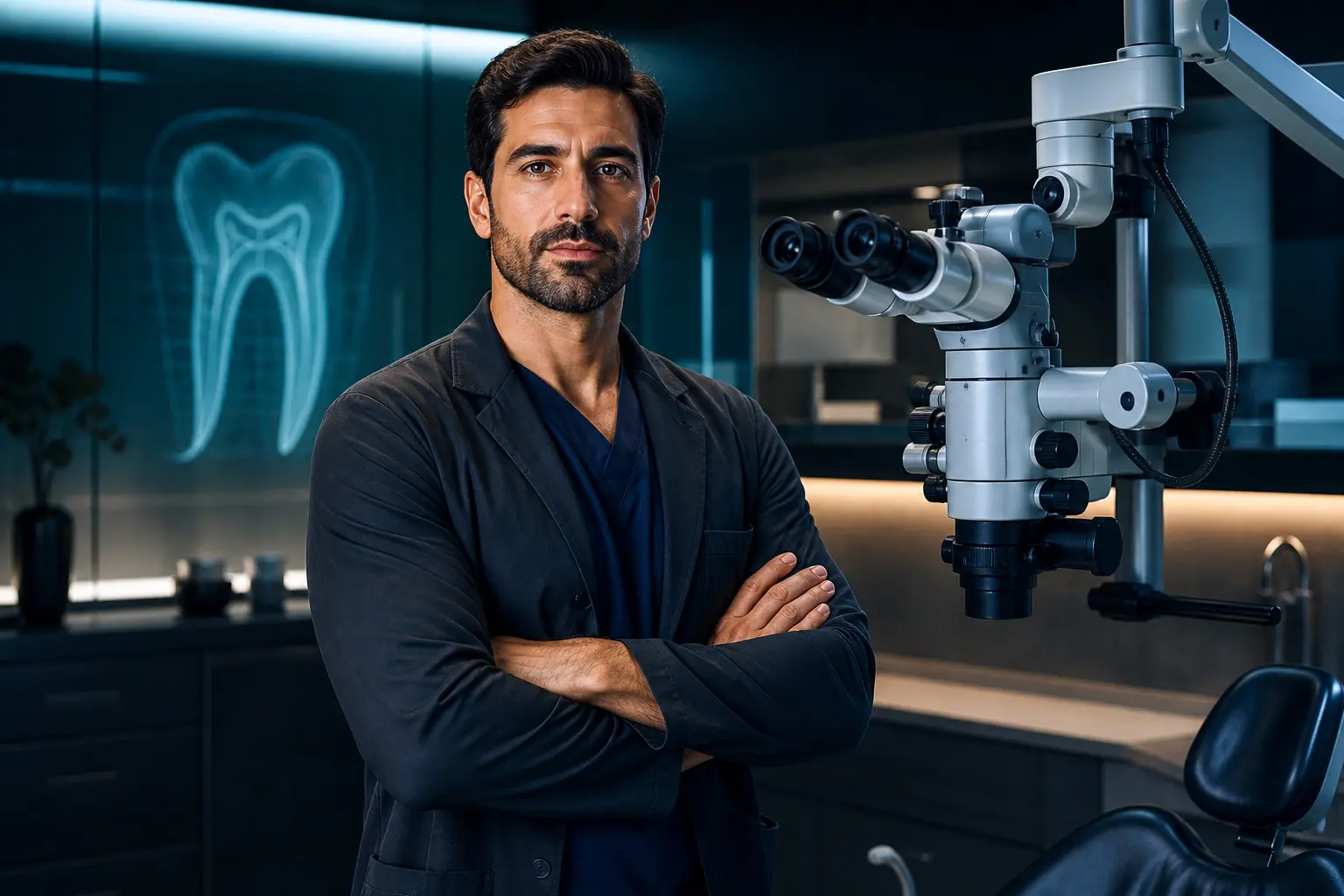
Patients often ask: “I had a root canal… then the tooth was extracted. Why?” Dr. Louai Younes — Master in Microscopic Endodontics — explains that the idea of root canal therapy itself is usually not the enemy. Endodontics exists to save teeth. Outcomes depend on cleaning quality, crack detection, residual infection, and protective restoration afterward.
This long-form guide covers the real reasons teeth are lost after RCT and how to reduce that risk at Joele Clinics in Jeddah.
Source: short video on why teeth are lost after root canal with Dr. Louai Younes — Joele Clinics.
Root canal treatment removes inflamed or infected pulp tissue, cleans the canal system, and seals it to block bacterial leakage. The tooth is then restored with a filling or crown depending on remaining structure.
Done precisely with a proper final restoration, a tooth can serve for many years. Incomplete cleaning, cracks, or delayed protection raise the risk of pain, fracture, or later extraction.
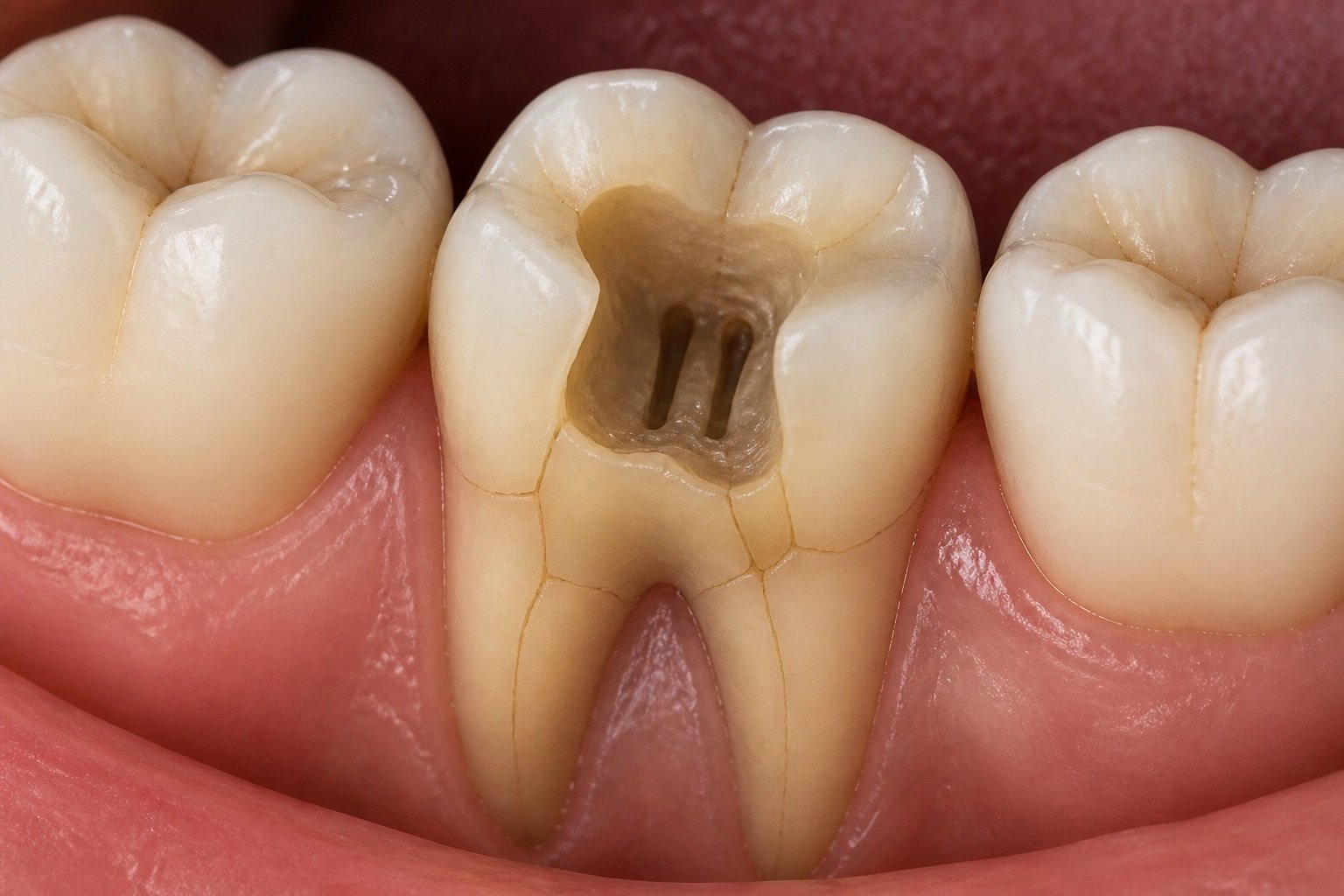
After RCT the pulp is removed, but the tooth remains connected to bone and gums through supporting tissues. It can still chew and look natural when canals are cleaned and sealed and the tooth is protected. Extraction is not destiny after every root canal—it becomes the option when saving the tooth is not predictable.
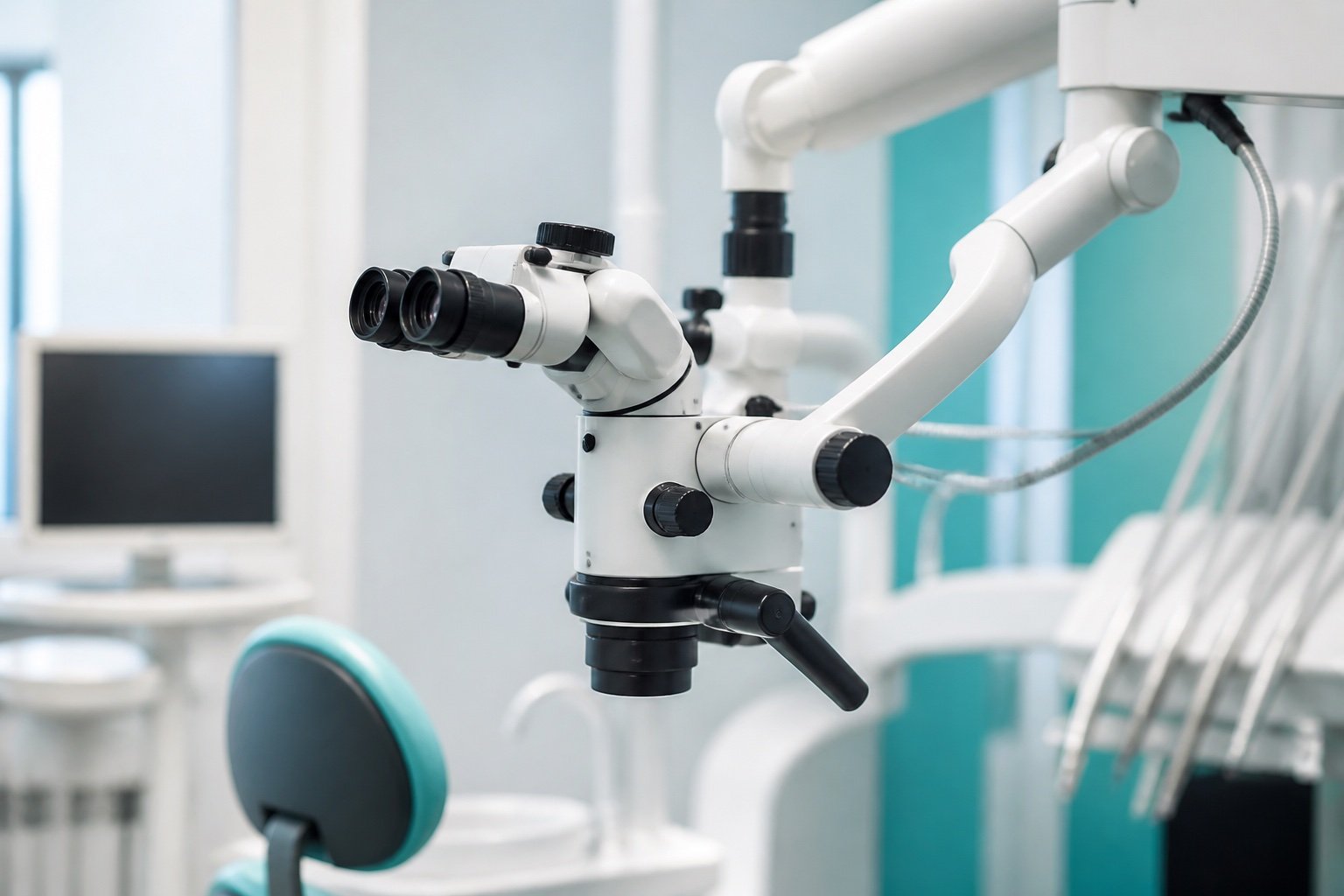
Especially for molars, tooth structure is often weakened by prior decay and access preparation. A crown (or suitable protective restoration) acts like a shield that distributes chewing forces and reduces catastrophic fracture risk—one of the most common reasons people later say “the tooth was lost after the root canal.”
If you had a previous root canal and still have symptoms—or were told the tooth is “weak and will be extracted”—get a specialist endodontic opinion. At Joele Clinics in Jeddah, Dr. Louai Younes focuses on savability, retreatment when appropriate, and protective restoration planning.
Tooth loss after root canal therapy usually relates to fractures, incomplete treatment, leakage, or missing protection—not an automatic fate of every treated tooth. Precise microscopic care and timely restorative protection improve survival. Watch Dr. Louai Younes’s video above, then book an assessment for your case.



Add your Comment