Is Tongue Protrusion While Speaking Normal in Children?

Dental 2 hours ago
Child tongue thrust during speech evaluated with Dr. Saeed Anjari

Share article

Introduction: tongue out while speaking — when to relax

Some parents notice the child’s tongue protruding between the teeth while speaking, especially on certain sounds. Is that a normal developmental stage, or a tongue thrust that can affect the bite?

Dr. Saeed Anjari explains that tongue posture is central to the balance between speech and occlusion. Early assessment clarifies whether the pattern is transitional or needs guidance, sometimes with speech therapy.

Video: Dr. Saeed Anjari on tongue protrusion during speech

Source: explanatory video with Dr. Saeed Anjari — Joele Clinics.

Takeaways from the short:

  • Tongue protrusion is not always pathologic.
  • Persistence with dental or speech impact needs examination.
  • Tongue thrust may accompany an anterior open bite in some cases.
  • Plans are individualized by age and habit severity.

What is tongue thrust?

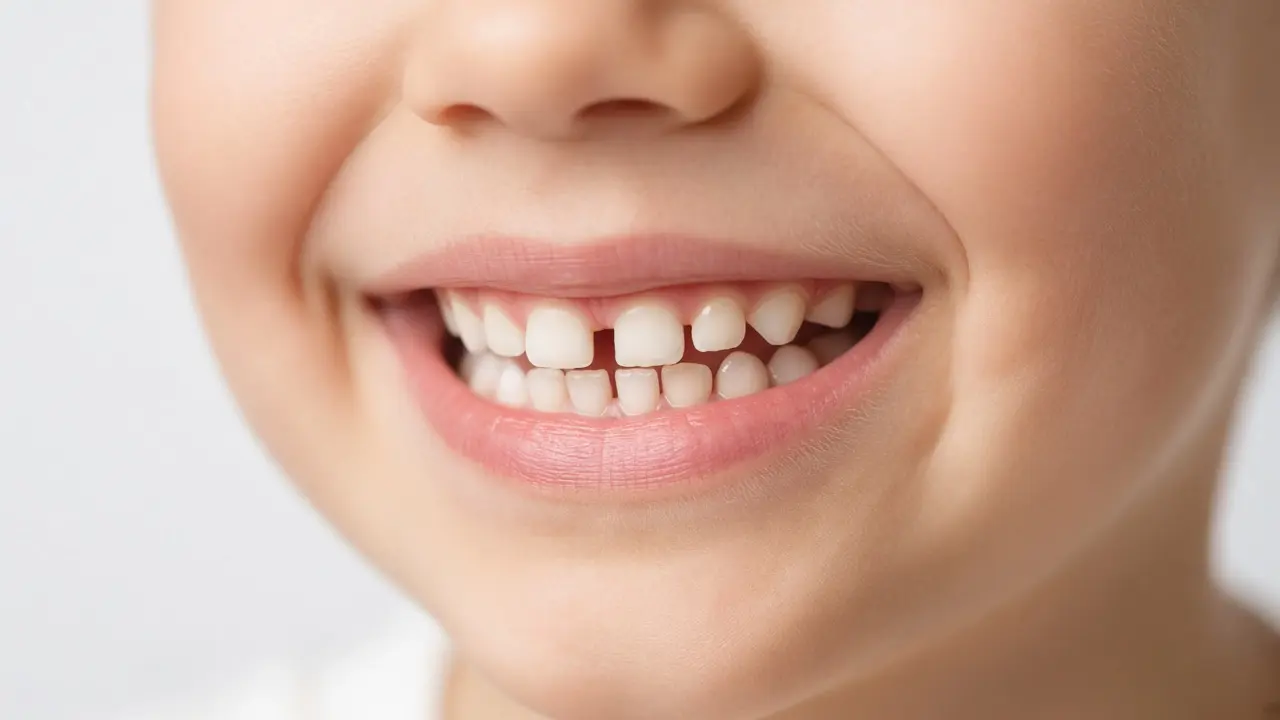
Child showing tongue protrusion while speaking
Tongue protrusion on some sounds can be stage-related — or a habit needing review if persistent.

Tongue thrust means the tongue pushes forward during swallow, speech, or rest instead of resting against the palate. It may appear as:

  • Tongue tip between the teeth on certain sounds.
  • Difficulty with some sibilant sounds.
  • An anterior gap or open bite that does not fully close.
  • Accompanying mouth breathing in some children.

Not every developmental protrusion equals a fixed habit; age and context guide decisions.

When it is reassuring vs when to seek care

Often reassuring: mild stage-related protrusion during speech development without bite impact.

See a specialist if:

  • The habit remains clear as the child gets older.
  • An open bite or anterior spacing appears.
  • Speech delay accompanies forward tongue posture.
  • Other habits exist such as thumb sucking or mouth breathing.

Orthodontics and habit care

Plans may include:

  1. Assessment of teeth, bite, and tongue posture.
  2. Monitoring at younger ages if changes are limited.
  3. Appliances or guidance to retrain tongue position when indicated.
  4. Coordination with a speech therapist when speech is a core issue.

The goal is stable function — swallow, speech, and bite — not appearance alone.

What parents can do

  1. Observe speech in natural sentences, not a single word.
  2. Bring a short phone video to the visit if possible.
  3. Avoid constant scolding; positive guidance works better.
  4. Seek evaluation if teeth or speech are affected.

Consultation at Joele Clinics with Dr. Saeed Anjari

At Joele Clinics in Jeddah, Dr. Saeed Anjari — Orthodontics and Dentofacial Orthopedics Specialist — provides early assessments that clarify whether a finding is within normal growth or needs monitoring or guided care.

Book a consultation to evaluate your child and receive a clear age-appropriate recommendation.

Key takeaways

Tongue protrusion while speaking can be transitional — or a habit affecting teeth and speech. The video above gives the overview; assessment with Dr. Saeed Anjari decides whether monitoring is enough or guided care is needed.

Add your Comment

Articles that may interest you

Book Now