Front Tooth Discoloration After Root Canal: Why It Turns Gray and How Internal Bleaching Helps

Dental 2 hours ago
Internal bleaching for discolored front teeth after root canal at Joele Clinics

Share article

Introduction: front-tooth discoloration after an old root canal

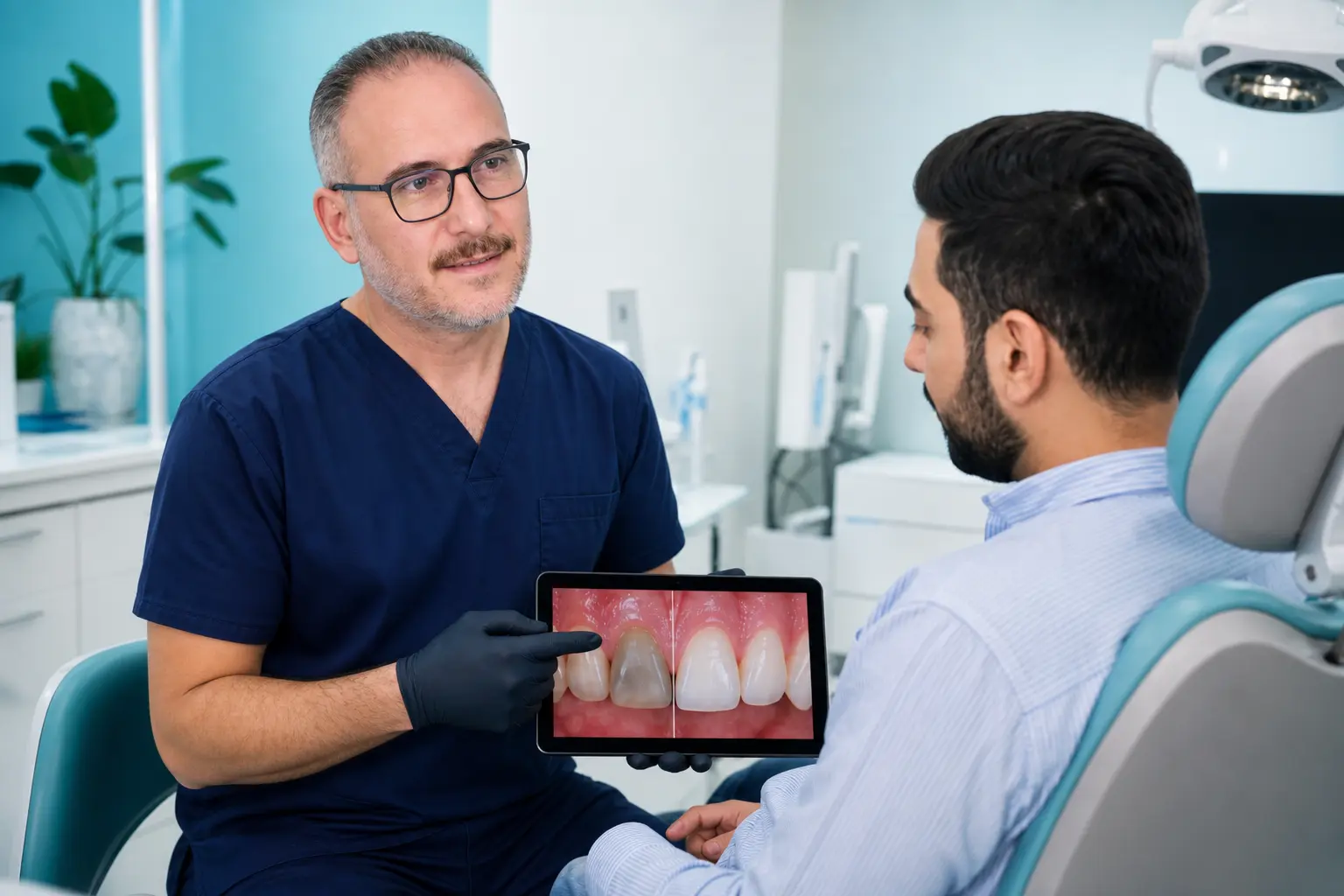
Patients often visit the clinic because a front tooth treated with root canal therapy years ago has turned gray and dull. This discoloration is common in anterior endodontically treated teeth.

At Joele Clinics — Al Rawdah, Dr. Anas Moallam, Endodontics Specialist, explains that the solution is usually internal bleaching, not standard external whitening alone.

Video: Dr. Anas Moallam explains the problem and treatment

Source: short video on tooth discoloration after root canal with Dr. Anas Moallam — Joele Clinics, Al Rawdah branch.
  • Discoloration is common after anterior root canal treatment.
  • The tooth becomes gray and loses shine.
  • Treatment is internal bleaching, not only external whitening.
  • The old filling is opened, excess root-canal material is cleaned, then the tooth is bleached from inside.

Why does the tooth discolor after root canal therapy?

  • Residual tissue or filling material extending into the crown.
  • Changes within dentin over time.
  • Old dark restorations showing through thin anterior walls.
  • Previous trauma or internal bleeding history.
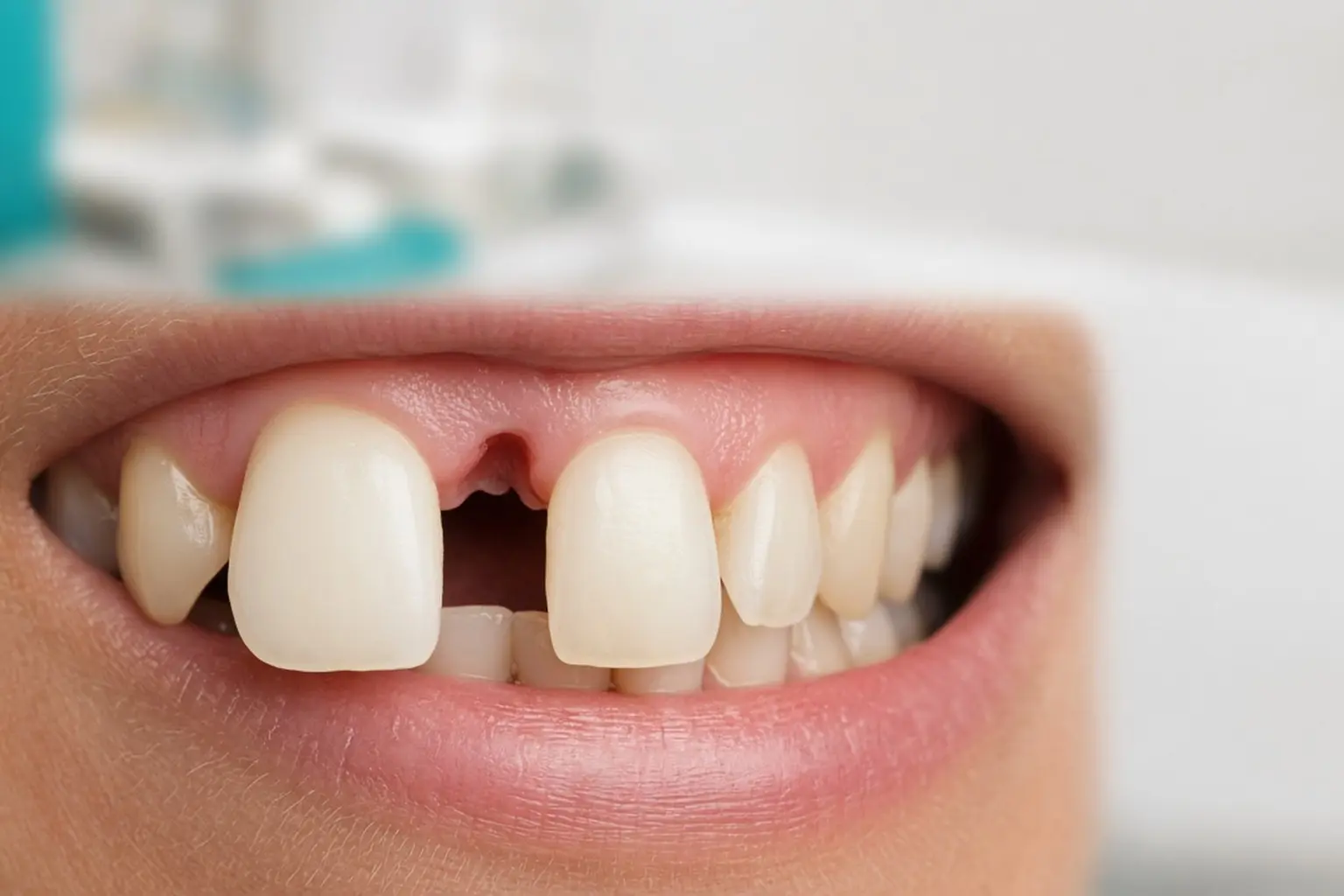
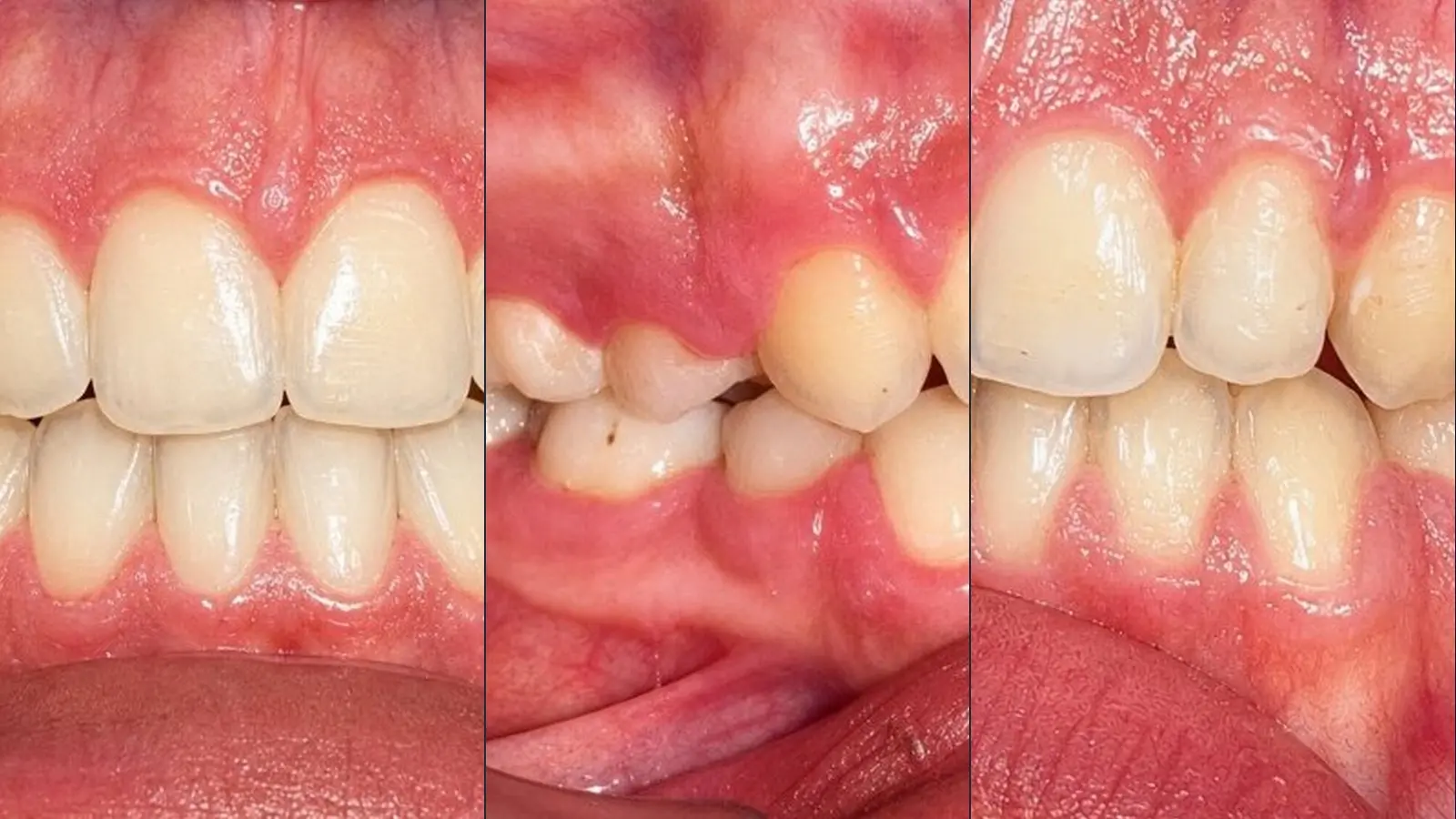
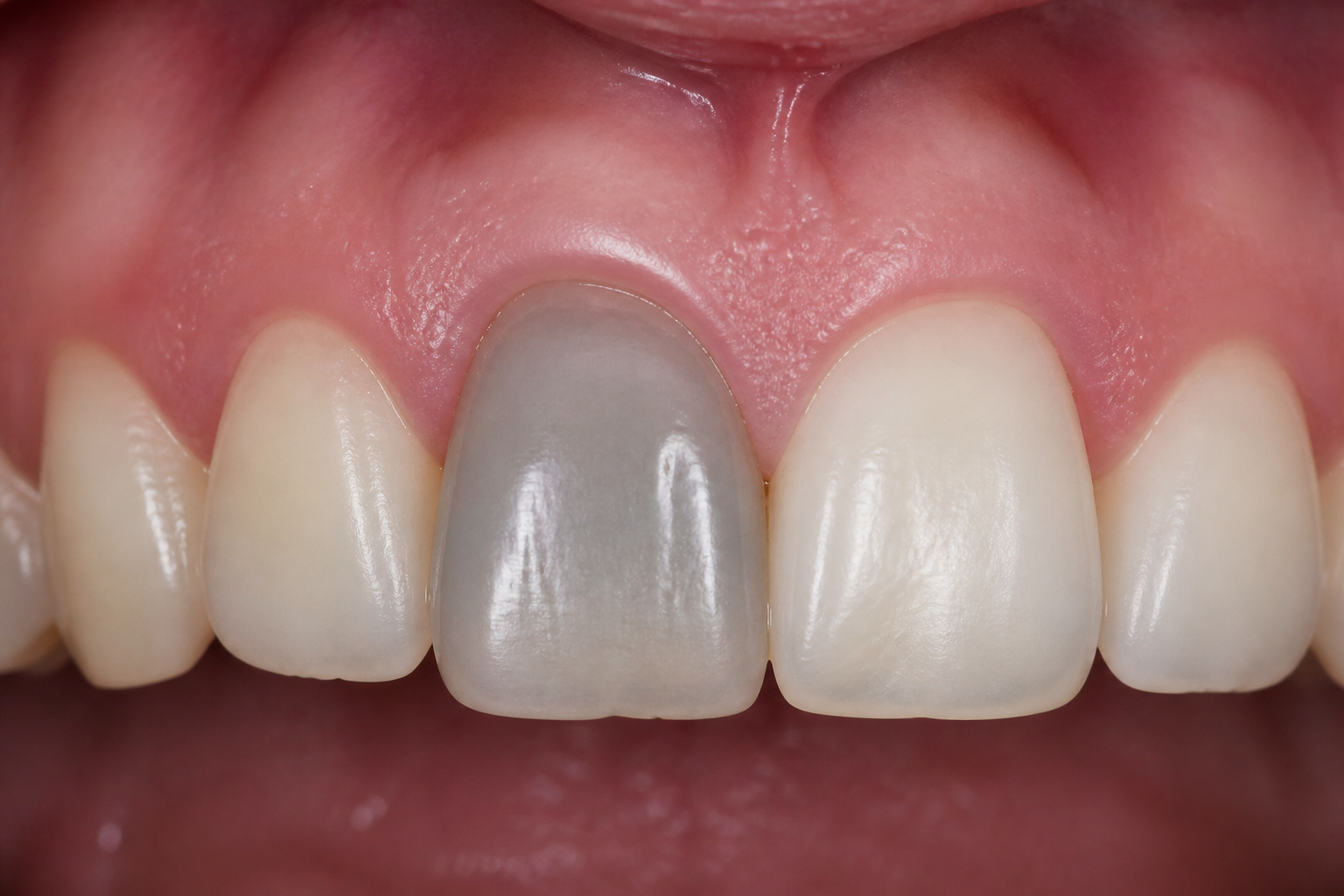
Gray discoloration of a front tooth after an old root canal
Internal discoloration often appears gray with loss of natural translucency.

Internal vs external whitening

  • External whitening: acts on enamel from outside; useful for vital teeth with surface stains.
  • Internal bleaching: places bleaching agent inside the pulp chamber of a root-canal-treated tooth after proper cleaning.

For a gray anterior tooth after endodontic treatment, external whitening alone is often insufficient.
How is internal bleaching done?

  1. Clinical and radiographic assessment of the root canal and tooth structure.
  2. Careful opening of the old coronal restoration.
  3. Removal of excess root-canal filling material from the crown area.
  4. Proper sealing/protection of the canal orifice area.
  5. Placement of internal bleach and follow-up visits as needed.
  6. Final restoration once the desired shade is achieved.
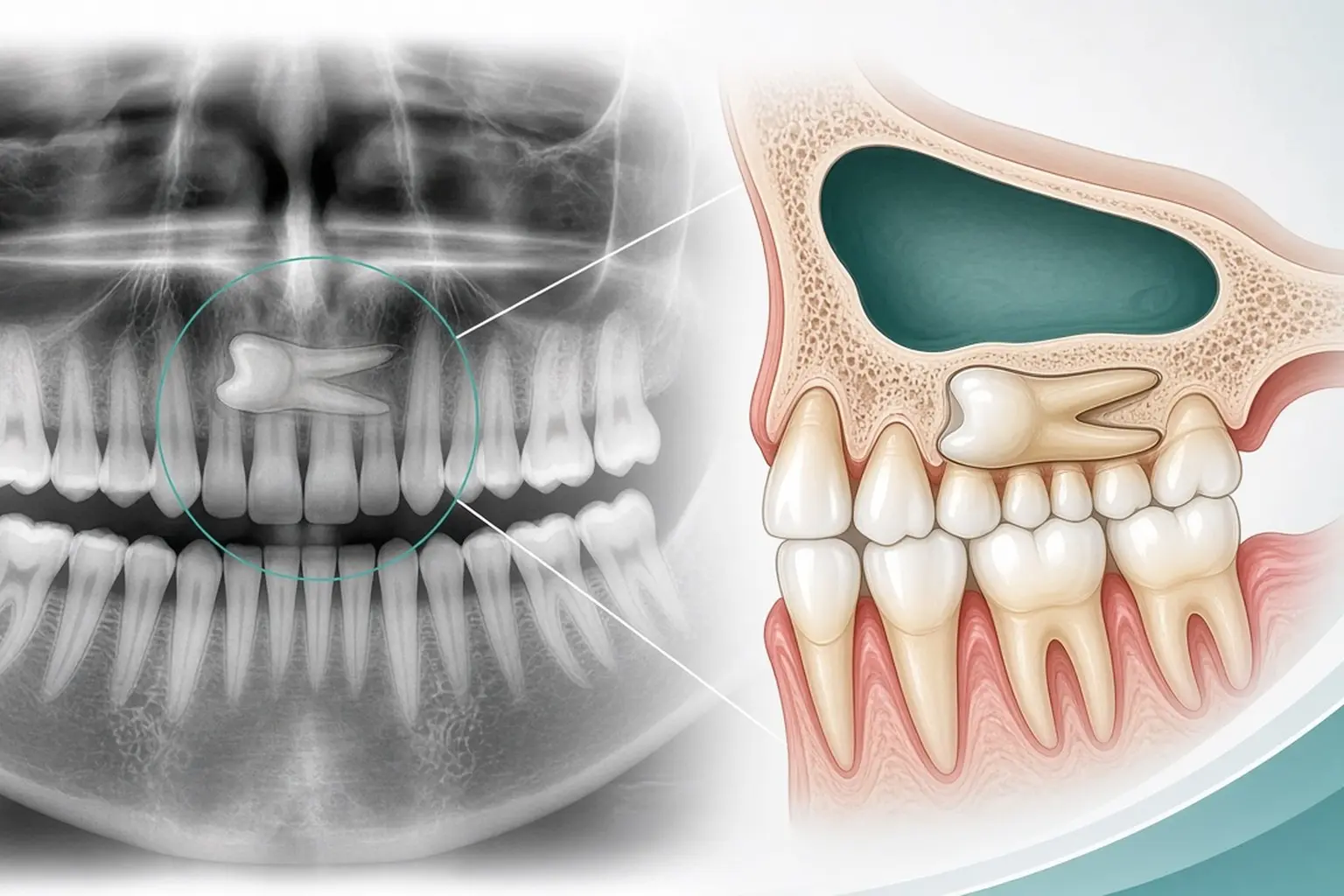
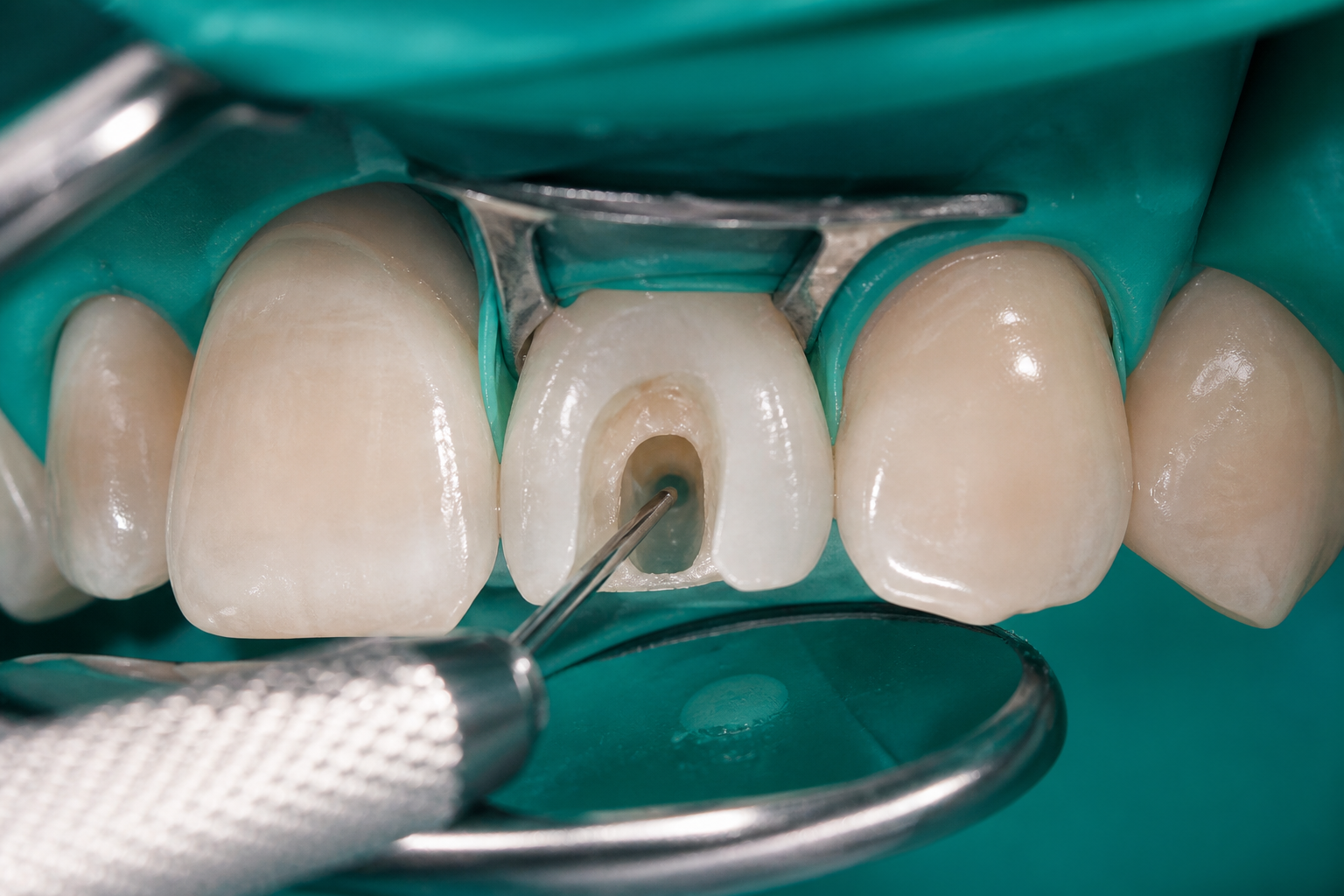
Internal bleaching procedure after opening the old restoration
Internal bleaching treats color from inside the tooth, not only the outer surface.

What results should you expect?

The goal is to restore brightness and a shade closer to neighboring teeth. Some cases need more than one visit. Not every tooth becomes a perfect match, but improvement versus gray discoloration is usually significant.

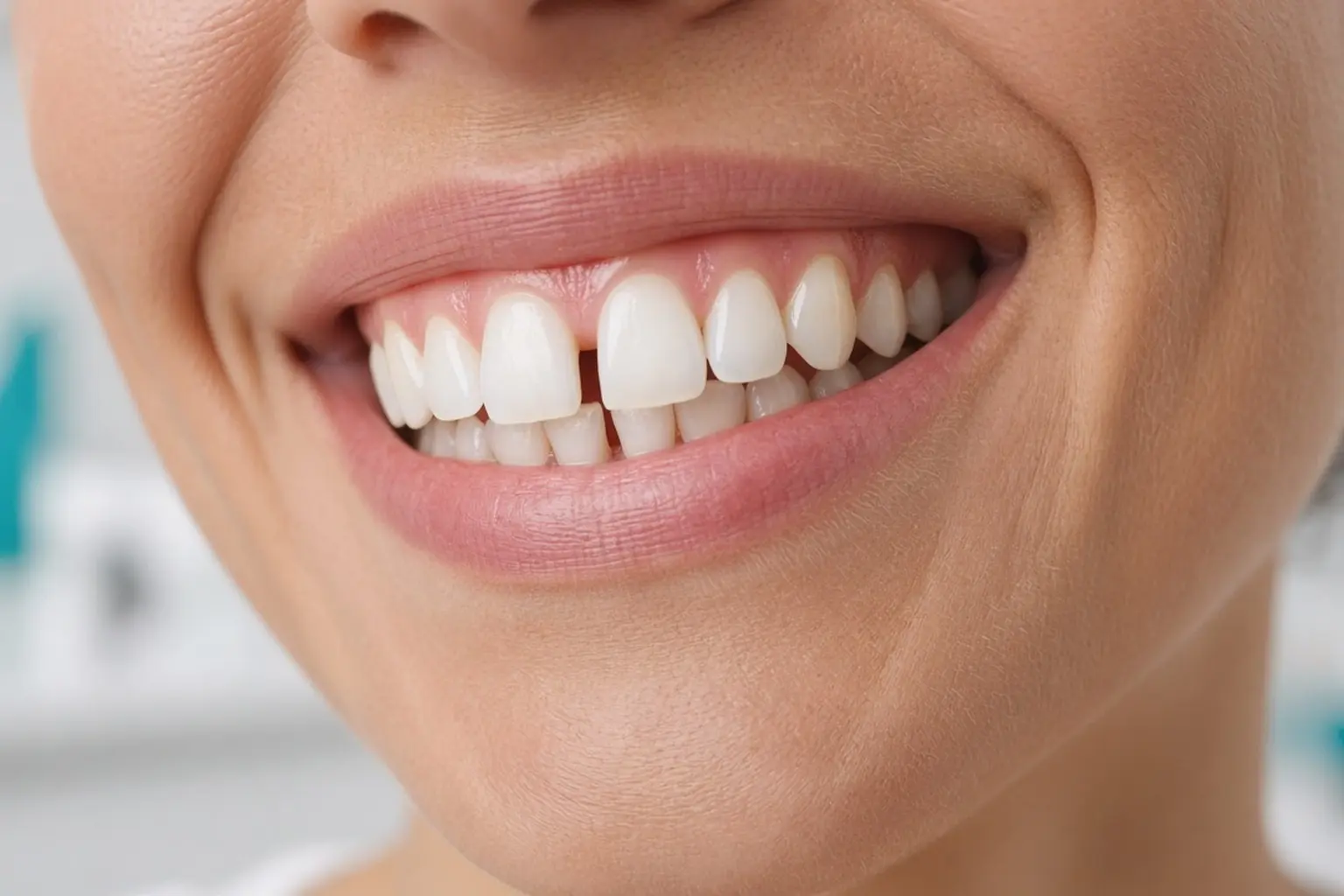
Improved natural-looking shade of a front tooth after internal bleaching
The goal is a brighter, more harmonious smile shade.

When are veneers or crowns considered instead?

  • Severe discoloration unresponsive to internal bleaching.
  • Major structural loss or fracture.
  • Additional shape correction needed with shade improvement.

Internal bleaching remains a conservative first-line option in many suitable cases.

Aftercare tips

  1. Excellent oral hygiene around the treated tooth.
  2. Limit strong staining habits during shade stabilization if advised.
  3. Attend follow-up for final sealing and shade check.
  4. Don’t ignore an old gray front tooth—early assessment preserves conservative options.

Care with Dr. Anas Moallam at Joele — Al Rawdah

At Joele Clinics, Al Rawdah, Dr. Anas Moallam evaluates root-canal-related discoloration and internal bleaching plans within endodontic care. If you have a gray anterior tooth after an old root canal, book an assessment to see if internal bleaching fits your case.

Key takeaways

Anterior discoloration after root canal therapy is common and often treatable with internal bleaching after cleaning excess old materials—not with external whitening alone. Watch Dr. Anas Moallam’s video above, then book at Joele Al Rawdah.

Add your Comment

Articles that may interest you

Book Now