Introduction: when orthodontics becomes “surgical”
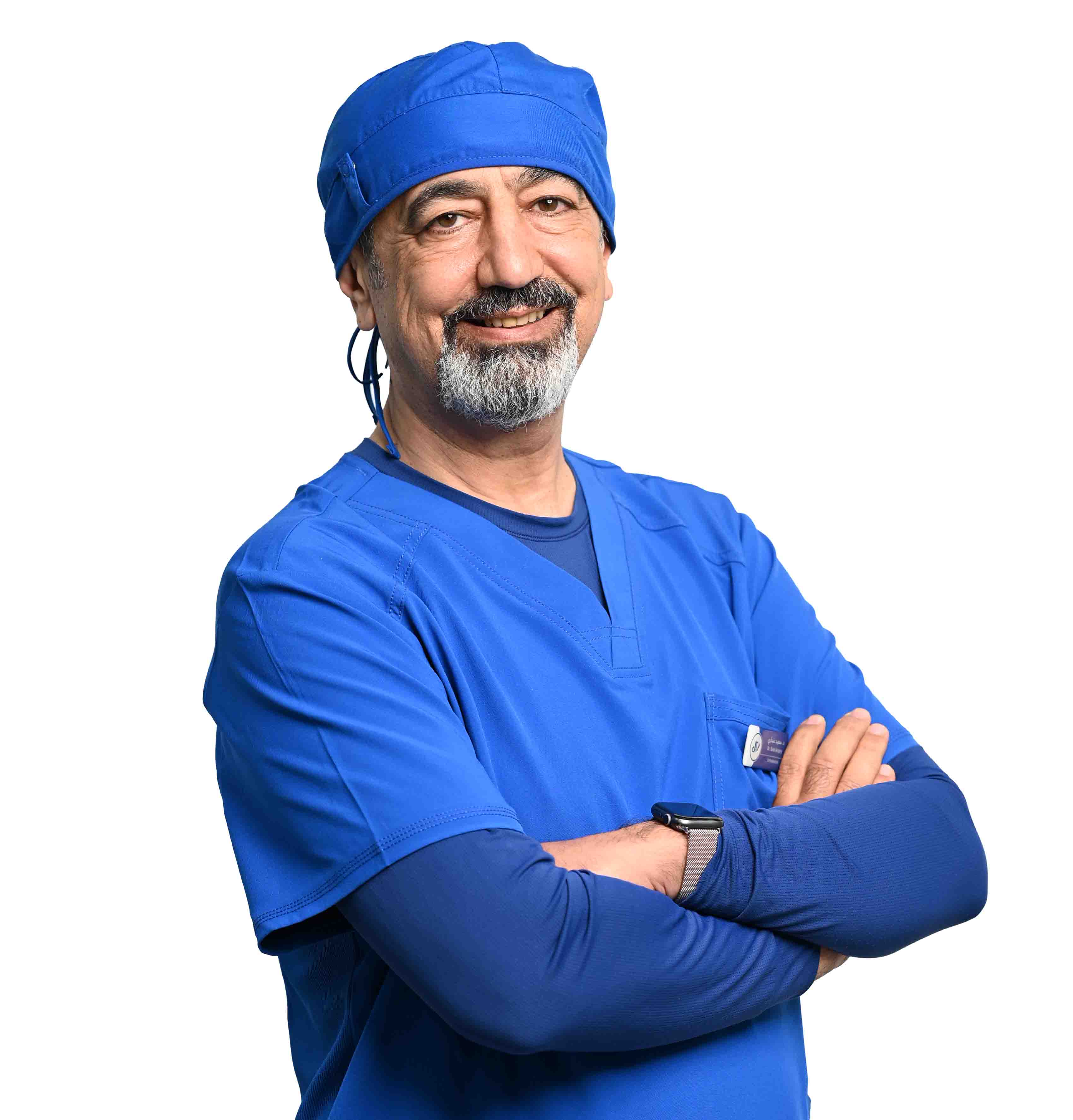
Not every jaw protrusion or retrusion can be solved by moving teeth alone. Dr. Saeed Anjari — Specialist in Orthodontics and Dentofacial Orthopedics — explains that some discrepancies are skeletal. That is where surgical orthodontics comes in: a coordinated plan combining braces/aligner preparation with orthognathic jaw surgery for a stable bite and balanced face.
This long-form guide covers when surgical orthodontics is considered in Jeddah, how the plan is built, and what happens before and after surgery.
In the short video, Dr. Saeed highlights that surgical orthodontics is an organized pathway for cases where conventional orthodontics alone is not enough—and that decisions are based on precise jaw/face diagnosis, not cosmetic preference alone.
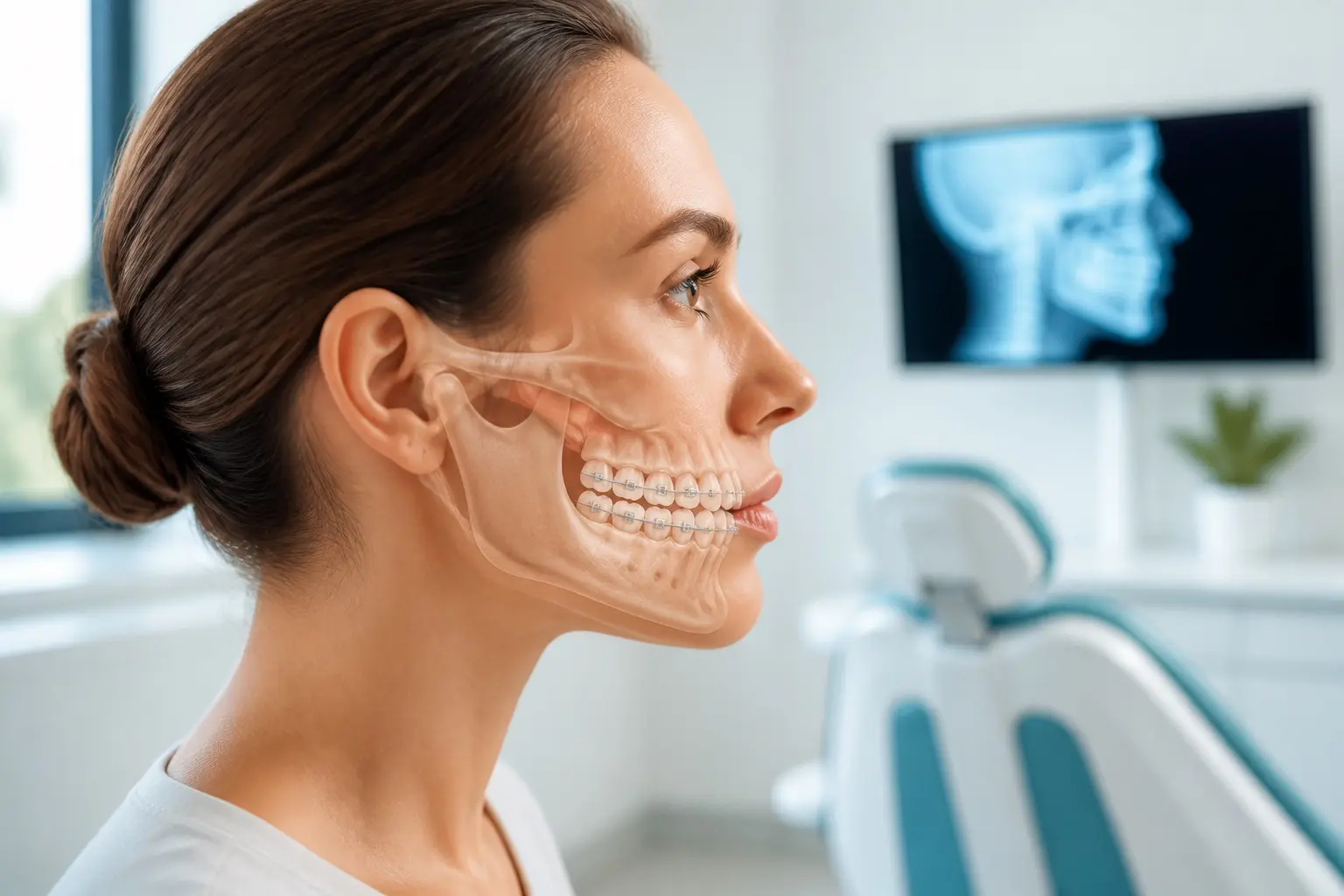
Surgical orthodontics addresses skeletal jaw relationships plus tooth alignment.
Diagnosis separates dental, skeletal, and mixed problems.
Planning may include facial analysis, imaging, and digital surgical setup when needed.
The goal is functional correction and natural balance—not copying another face.
What is surgical orthodontics?
Surgical orthodontics combines:
Orthodontics to align teeth and prepare/finish the bite.
Orthognathic jaw surgery to reposition the upper and/or lower jaw (and sometimes the chin) when the skeleton itself is the problem.
Unlike conventional orthodontics, which moves teeth within bone limits, surgical orthodontics corrects bone position when the discrepancy is too large to compensate safely or stably with teeth alone.
When are braces alone not enough?
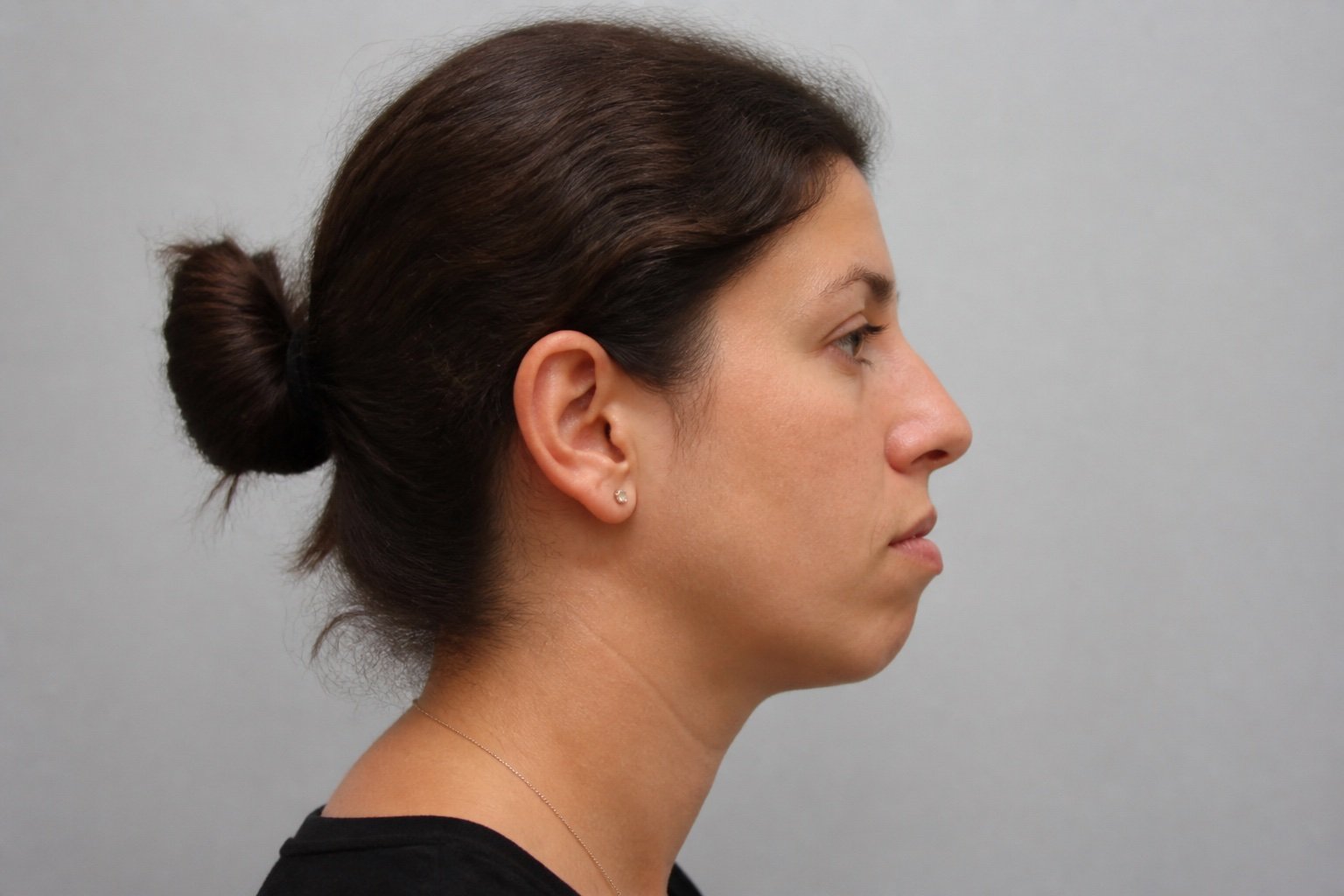
Severe jaw protrusion or retrusion affecting profile and bite.
Skeletal open bite that will not remain stable with tooth movement alone.
Large skeletal Class II or Class III discrepancies.
Facial asymmetry linked to jaw position.
Functional issues: chewing difficulty, speech strain, or joint fatigue related to poor jaw relationship.
Some problems are skeletal; moving teeth alone cannot safely fix the jaw relationship.
Final diagnosis is never based on one photo; it needs clinical exam, radiographs, facial analysis, and sometimes digital surgical planning.
Conventional orthodontics vs surgical orthodontics
Factor
Conventional ortho
Surgical ortho
Tooth position
Moved within bone
Aligned and coordinated with bone correction
Jaw bone position
Not surgically changed
May be surgically repositioned
Best for
Dental or mild–moderate compensable skeletal issues
Clear skeletal discrepancy unsafe to camouflage
Timeline
Case-dependent
Usually longer due to the surgical phase
Choosing the wrong path can mean unstable results or excessive dental compensation that harms gums and tissues long-term.
Treatment stages step by step
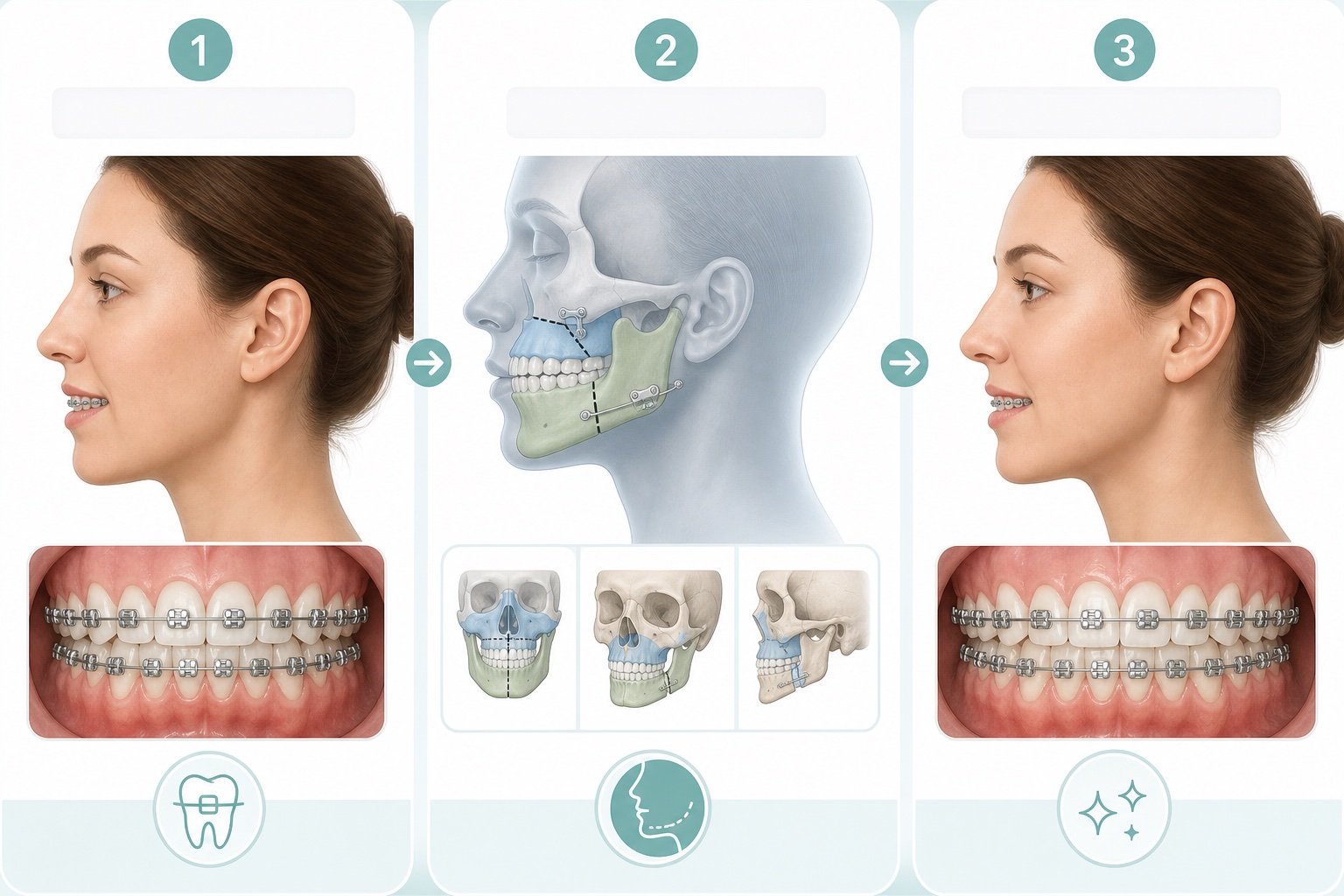
Most plans follow three phases: prepare, surgically correct, then refine the bite.
Diagnosis and planning: exam, imaging, facial/occlusal analysis, and deciding whether surgery is needed and which jaw(s) to move.
Pre-surgical orthodontics: align teeth so they fit correctly after the jaws are repositioned—even if the bite temporarily looks worse before surgery.
Surgery: performed by an oral & maxillofacial surgeon according to the shared plan.
Post-surgical orthodontics: refine bite details and stabilize the tooth–jaw relationship.
Retention and follow-up: retainers and monitoring to protect the result.
What happens before surgery?
Correct tooth axes and remove false dental compensations when present.
Prepare the bite to match the new skeletal position after surgery.
Set realistic expectations: function first, then natural aesthetic balance.
Review gum health, soft tissues, and TMJ status.
Patients may notice the bite looking different before surgery; Dr. Saeed explains this is planned preparation—not orthodontic failure.
After surgery: recovery and finishing
A recovery period with dietary and care instructions from the surgical team.
Joint follow-up between surgeon and orthodontist.
Fine orthodontic adjustments for a stable occlusion.
A retention plan to reduce relapse risk.
Expected results: function and balance—not a copied face
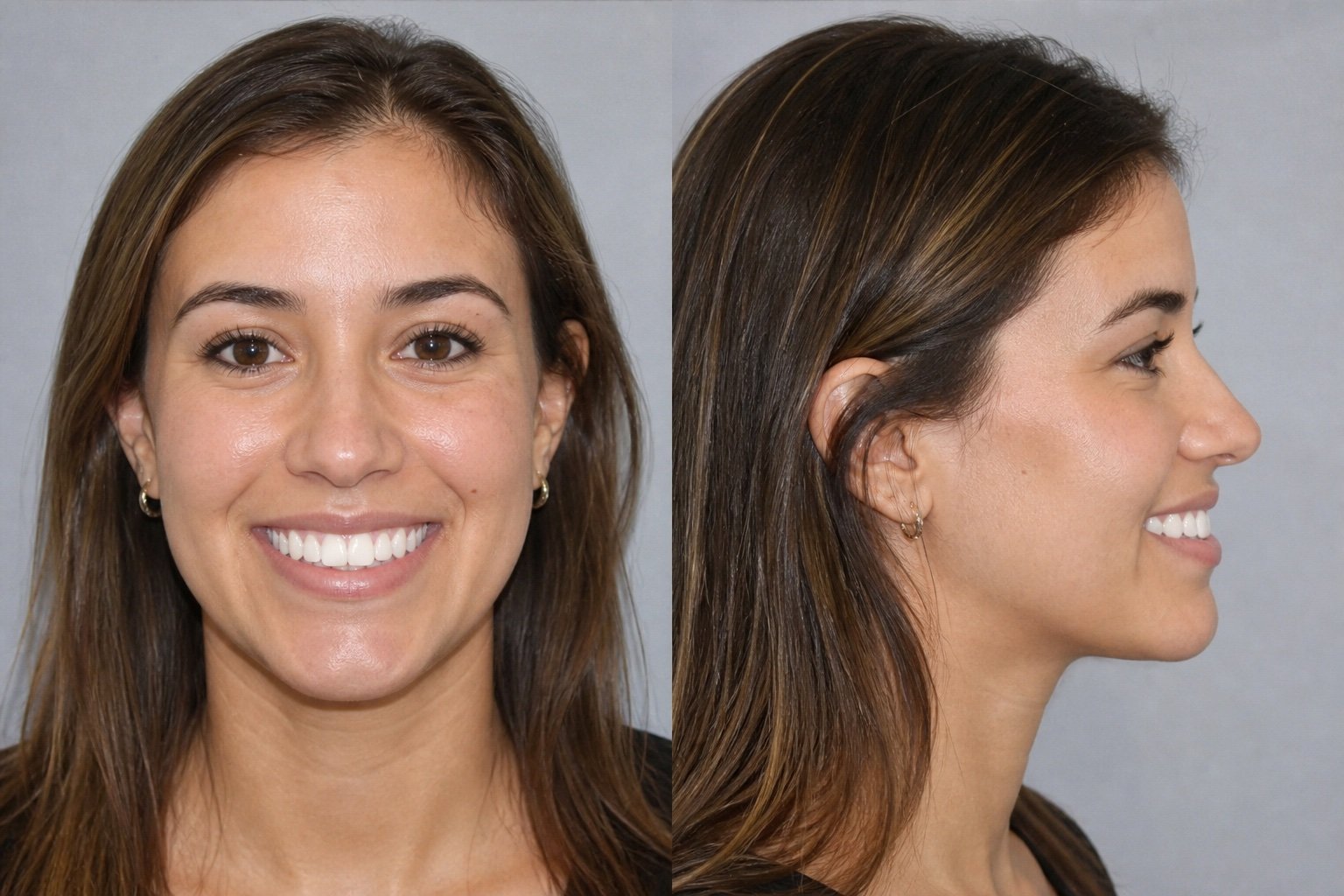
The goal is a functional bite with natural facial harmony.
A bite that supports comfortable chewing and stable function.
Improved profile balance of lips and chin with the rest of the face.
A natural result that fits the patient’s own features.
Better long-term stability than extreme dental camouflage.
Common patient questions before deciding
Does every protrusion need surgery? No. Many cases are treated orthodontically when compensation is safe and stable.
Is surgery only cosmetic? No. The foundation is functional/skeletal; aesthetic improvement is a natural byproduct of correct correction.
How long does treatment take? It varies by severity and response; usually longer than simple braces.
Can clear aligners be used? Sometimes within the plan, but that is a technical decision—not a general preference.
Consultation with Dr. Saeed Anjari at Joele Clinics
If you were told your teeth are “protrusive” or your jaw is “forward/back” and you are unsure whether braces alone or surgical orthodontics is needed, start with a dentofacial orthopedics assessment. At Joele Clinics in Jeddah, Dr. Saeed Anjari differentiates dental vs skeletal problems and builds a clear plan with jaw surgery coordination when required.
Key takeaways
Surgical orthodontics is for skeletal jaw discrepancies that braces alone cannot safely fix. It combines tooth alignment with bone correction through planned stages. Watch Dr. Saeed Anjari’s video above, then book a specialist assessment to learn which path fits your case.




Add your Comment