Introduction: why sun pigmentation is so common in Jeddah
Jeddah is sunny year-round. Repeated UV exposure, heat, and humidity make freckles, solar lentigines, melasma, and “sun burn” discoloration more stubborn on the face, neck, and hands. Dr. Fatima Al Khateeb — Dermatology, Aesthetic & Laser Specialist at Joele Clinics — explains that treating pigmentation is not “one laser for everyone.” The plan starts with diagnosis, then protection, then a protocol matched to the spot type and skin type.
This long-form guide covers common pigmentation types in Jeddah, gentle laser options, summer SPF routines, when to treat versus postpone, and what to avoid so pigment does not rebound faster than it fades.
Educational images: pigmentation and after-care
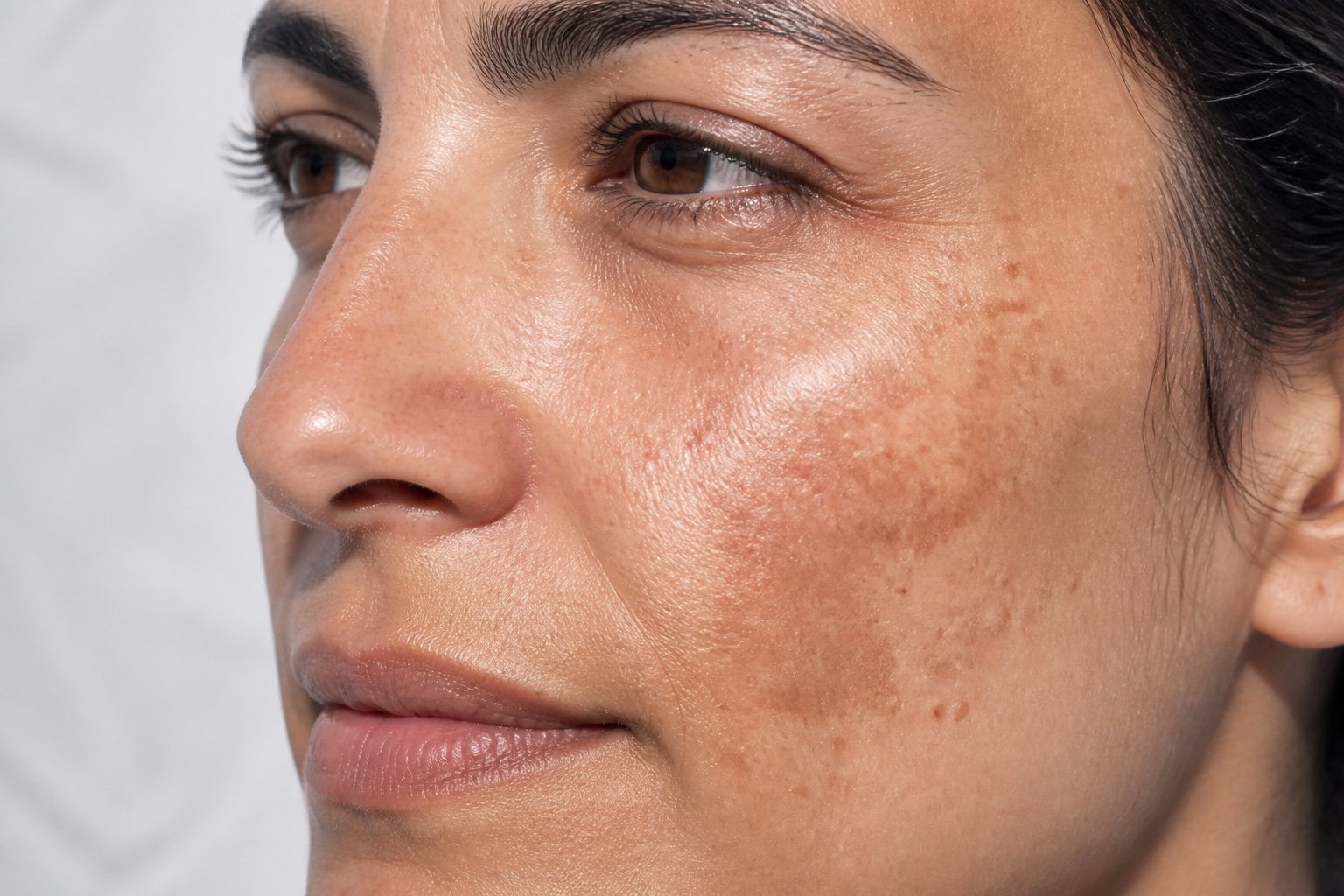
Sun spots, freckles, and melasma are different — diagnosis comes before choosing laser or a home routine.Pigmentation results depend heavily on daily sun protection after treatment.
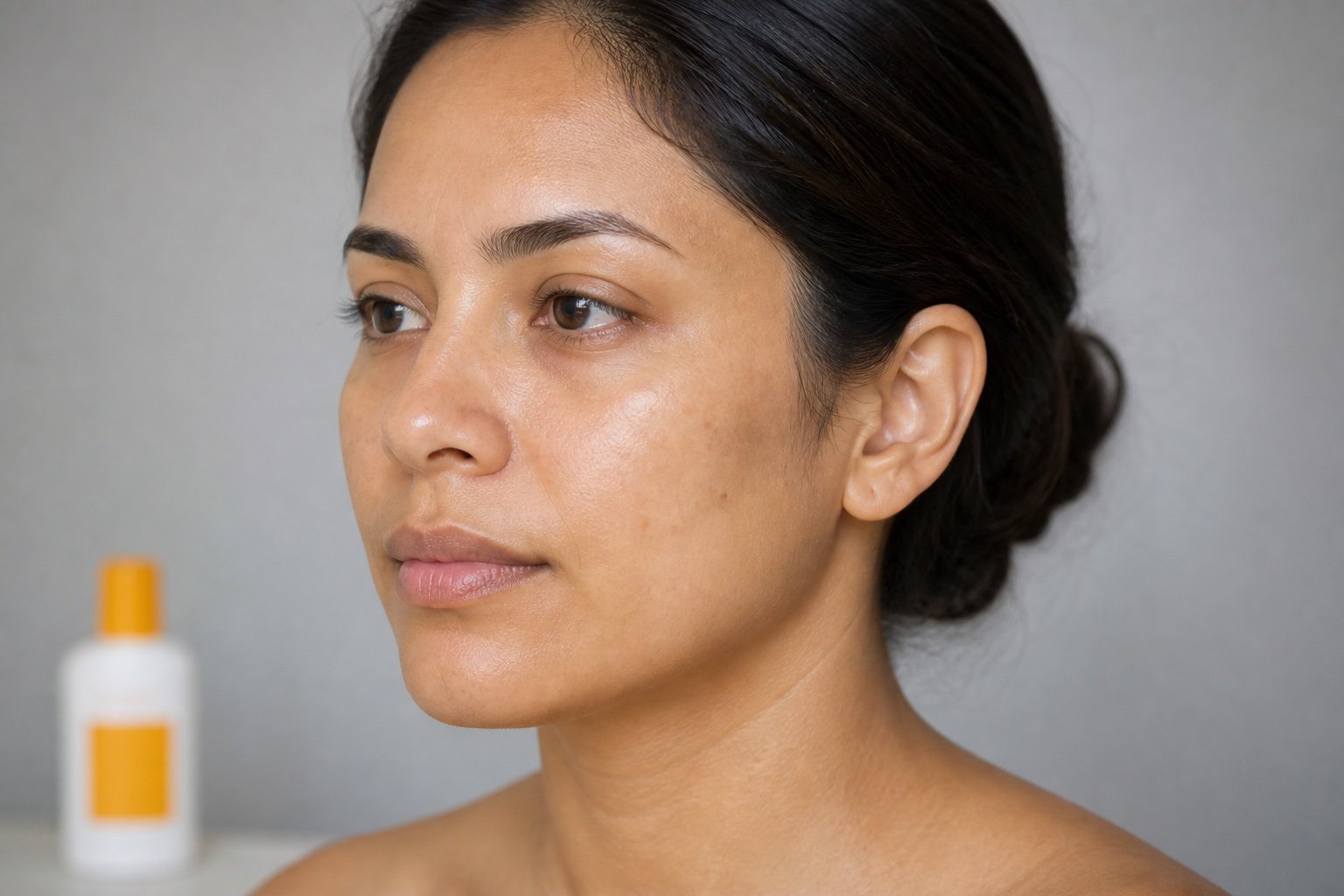
These educational visuals underline that pigmentation has many forms — and that after-care (protection, hydration, avoiding irritants) is part of the result, not an optional extra.
Solar pigmentation differs from melasma and from post-inflammatory dark marks.
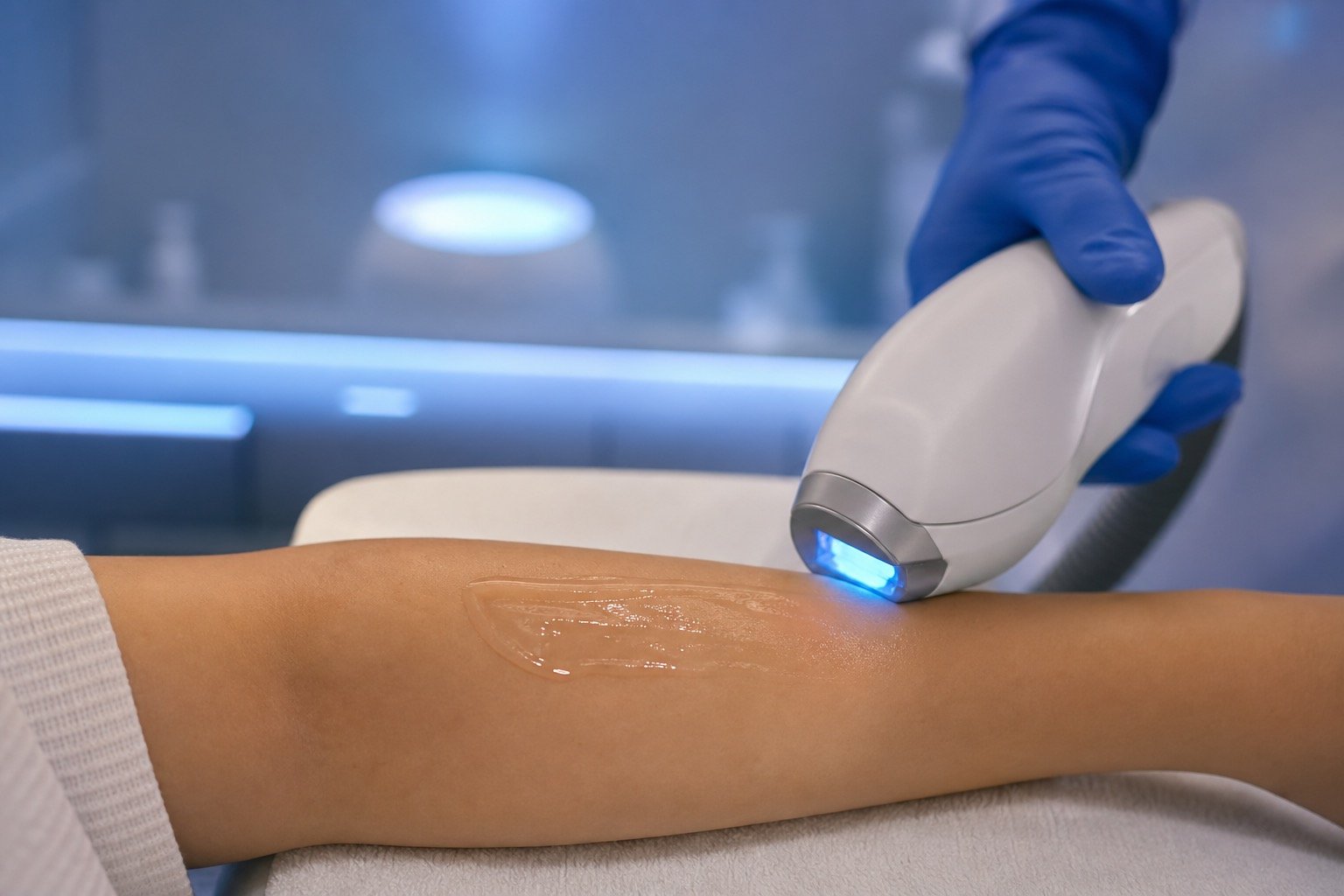
Gentle laser settings are chosen by depth and skin type — not by cosmetic preference alone.
Without daily SPF, pigment can return or worsen even after a good session.
Clinical assessment decides whether summer treatment is appropriate or better deferred.
Freckles vs melasma vs sun-burn discoloration
Not every brown mark is melasma, and not every uneven tone needs the same device:
Freckles / solar spots: often linked to chronic sun exposure; may appear on the face, hands, and shoulders.
Melasma: deeper, more complex pigmentation influenced by hormones, sun, and heat — needs a cautious approach.
Sun-burn / post-inflammatory pigmentation: darkening after sunburn, acne, or skin irritation.
Wrong diagnosis can mean a protocol that is too strong (and worsens melasma) or too weak for superficial solar spots. Dr. Fatima starts with a clinical exam before any session.
Why Jeddah’s climate makes pigment stubborn
Sun spots, freckles, and melasma are different — diagnosis comes before choosing laser or a home routine.
Strong UV most of the year — including on cloudy days.
Heat that can trigger melasma in some people even with sunscreen.
Daily driving with side-window UV exposure.
Common habits: forgetting SPF reapplication, or light makeup without enough protection.
Clinic treatment and street protection are two halves of the same plan; one without the other gives short-lived results.
Gentle laser options for pigmentation
Gentle laser refers to devices and protocols that aim to lighten spots while limiting heavy redness and peeling — especially important for medium to deeper skin tones common in the region. Depending on diagnosis, the plan may include:
Technologies that target melanin in superficial spots.
Gradual sessions instead of one aggressive treatment.
Home care (brightening/soothing) when appropriate for your skin.
The clinical goal is safe, stepwise lightening — not “erase color at any cost.” Session count and intervals vary by pigment type, response, and SPF compliance.
When to treat — and when to wait
Treat when pigment is stable, skin is not inflamed, and you can commit to sunscreen and reapplication.
Postpone during intense sun travel, recent sunburn, severe irritation, or hormonal phases that flare melasma — based on individual assessment.
Active melasma sometimes needs calming and preparation before strong light-based energy.
At Joele Clinics the plan is built around real Jeddah life: work, driving, events, and how well you can avoid direct sun after a session.
Summer routine: SPF first, then treatment
Pigmentation results depend heavily on daily sun protection after treatment.
Broad-spectrum sunscreen daily (UVA/UVB), in adequate amount, with reapplication for long exposure.
Hat and shade at peak hours — physical protection complements cream.
Gentle hydration to support the barrier and reduce irritation that can worsen pigment.
Avoid aggressive home peels without supervision during and after laser courses.
Tinted sunscreen/makeup when you need an extra daytime shield.
Dr. Fatima reminds patients: the best laser cannot replace daily SPF forgetfulness in Jeddah’s climate.
What to avoid so pigment does not rebound
Unprotected sun right after sessions.
Rubbing spots or using unknown DIY lightening mixtures.
Strong over-the-counter bleaching creams without medical guidance — especially on sensitive or melasma-prone skin.
Stacked aggressive aesthetic sessions (deep peel + laser) without coordination.
Ignoring the underlying inflammation (e.g., acne) that leaves dark marks later.
Pigment “comes back” most often because the trigger (sun/heat/inflammation) is still present — not always because the session “failed.”
What to expect during and after a session
Assessment, clinical photos, and mapping of target areas.
Skin prep and settings matched to the pigment type.
Afterward: mild to moderate redness for many patients, with cooling and hydration instructions.
In following days: spots may temporarily darken before gradual lightening or shedding — expected in some protocols.
Follow-up to adjust the plan and session count based on response.
Results are usually gradual; patience and compliance matter more than over-treating.
Consultation with Dr. Fatima Al Khateeb at Joele Clinics
If freckles are increasing, melasma is spreading, or sun-burn discoloration leaves uneven tone despite home care, start with a specialist dermatology assessment — not a random “strongest device” trial. At Joele Clinics in Jeddah, Dr. Fatima Al Khateeb distinguishes pigment types, selects a gentle laser plan, and builds a realistic summer routine to protect results.
Book a consultation to discuss your spots, progress photos, and the best timing for treatment in Jeddah’s sun.
Repeated UV exposure plus heat and humidity stimulate melanin, leading to freckles, solar spots, melasma, and sun-burn discoloration — especially with insufficient protection.
No. Freckles and superficial spots differ from melasma. Diagnosis drives device and protocol; some cases need preparation or a more cautious approach.
Sometimes yes with strict sun protection. Other cases are better deferred depending on pigment type and lifestyle — an individual decision after assessment.
It depends on pigment type, depth, and skin response. A spaced series is usually safer than one aggressive session.
SPF is essential to stop worsening and protect results, but it may not clear existing spots. Clinic treatment complements protection — it does not replace it.
Unprotected sun, rubbing, aggressive peels, and unprescribed DIY mixtures. Follow hydration and soothing instructions carefully.
Usually not. Melasma is more complex and hormone/heat-sensitive; it often needs a cautious plan and sometimes calming before light-based energy.
Start with a consultation with Dr. Fatima Al Khateeb at Joele Clinics to diagnose your pigment type and plan gentle laser plus a protection routine.




Add your Comment