Want Botox Without a Frozen Face? Micro-Dosing Changes Everything

Derma 2 hours ago
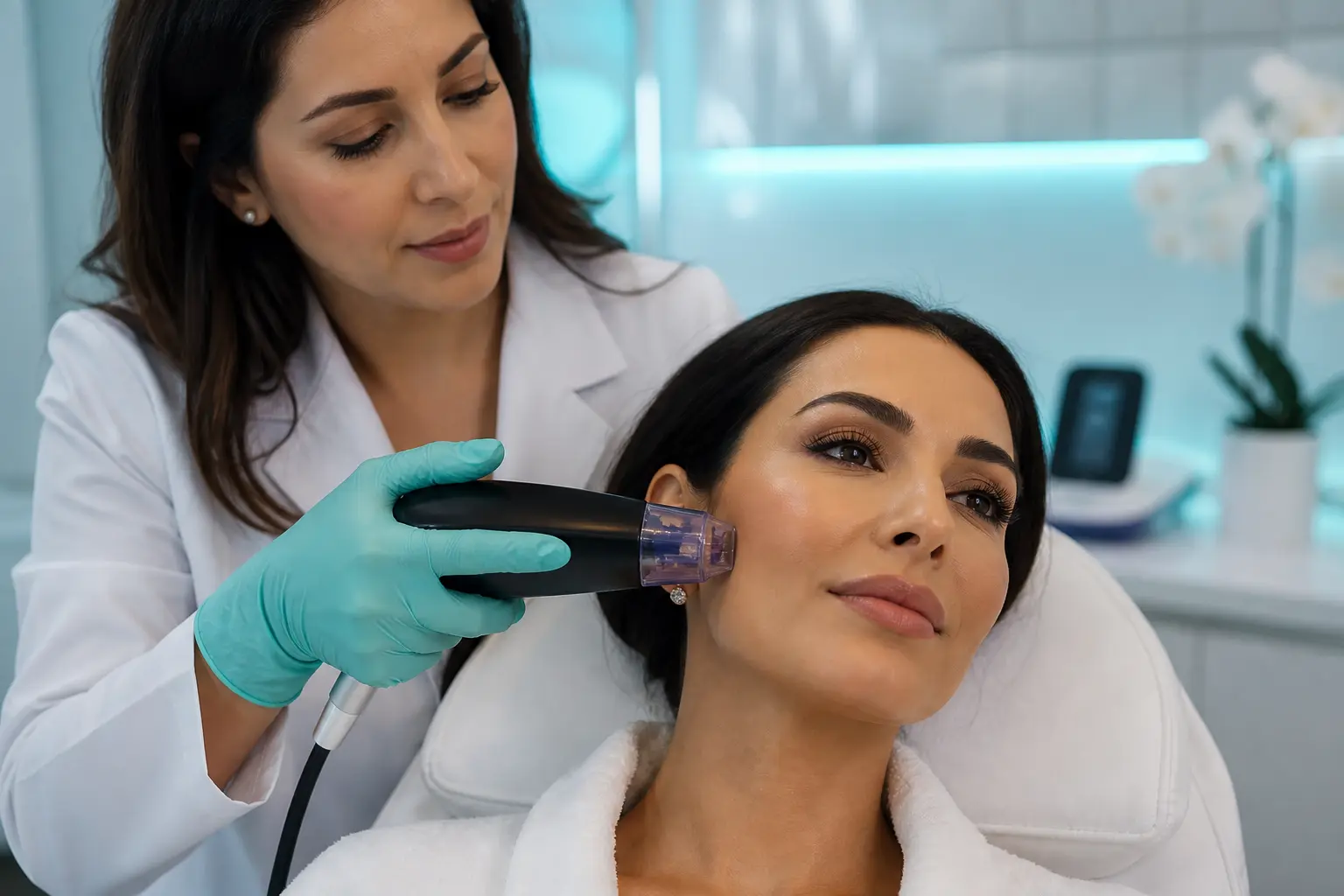
Micro-dosing Botox for natural results with Dr. Rola Al Awad at Joele Clinics

Share article

Introduction: why so many people want “natural Botox”

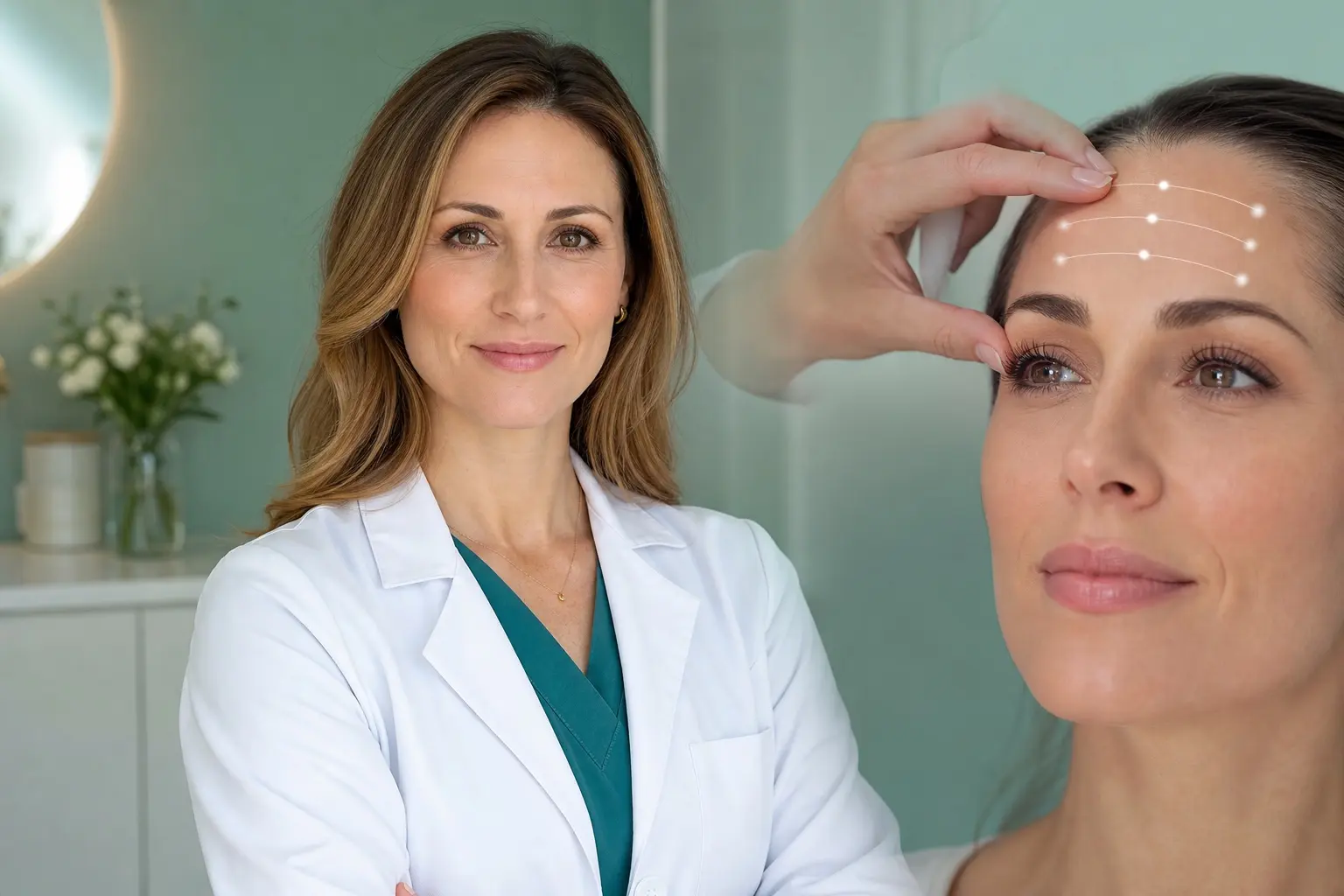
The most common fear of Botox is not pain — it is a “frozen face.” That is why demand is rising for micro-dosing Botox: a strategy that uses finer dosing and careful placement to soften lines while keeping expression alive. Dr. Rola Al Awad at Joele Clinics explains that natural results are not luck; they come from assessing muscle movement, choosing dose, and mapping injection points — not from a marketing slogan.

This guide covers how micro-dosing differs from classic Botox, where it shines on the forehead and crow’s feet, who it suits, common myths, and maintenance timing.

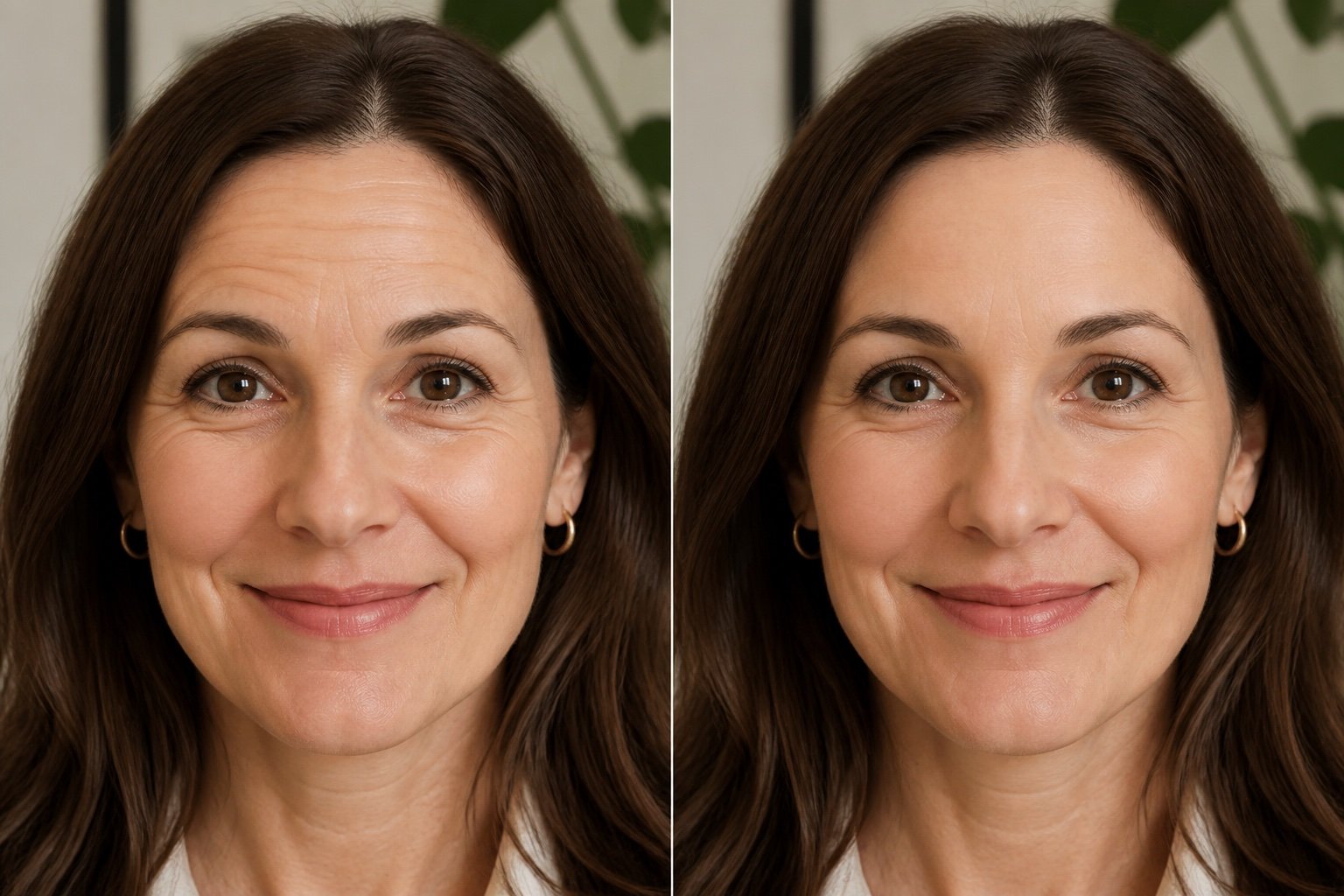
Educational images: before and after a natural touch

Expression lines on the forehead and around the eyes before a micro-dosing Botox plan
Assessment maps movement strength and where soft reduction is needed without stopping expression.
Softer look with natural expression after carefully planned micro-dosed Botox
The goal: less obvious lines while keeping the ability to express — not a frozen face.

These educational visuals capture the micro-dosing philosophy:

  • Soften lines that show with expression — do not erase every movement.
  • Balance forehead, frown area, and crow’s feet based on muscle strength.
  • “Lower dose” is not always “weaker”; distribution and precision matter more than a number alone.
  • A good result is measured by your ability to smile and look surprised naturally.

What is micro-dosing Botox?

Micro-dosing Botox means using smaller units and/or finer multi-point distribution to partially reduce muscle activity, rather than a strong, broad shutdown of a whole zone. Typical clinical aims:

  • Soften dynamic lines (those that appear with movement).
  • Preserve facial expression as much as possible.
  • Achieve a “refreshed” look — not an obviously “done” look.

It is not necessarily a different product from standard neuromodulator material; the difference is the dosing strategy and plan matched to your face and goal.

Micro vs classic: where is the difference?

Factor Micro-dosing Stronger classic approach
Dose / distribution Finer units, mapped points Stronger effect on movement
Expression Usually preserved more May reduce more depending on plan
Best for Light–moderate, natural goals Very strong lines or a clearer freeze request
Follow-up May need finer touch-ups Often a clearer effect — with heavier look risk if overdosed

Dr. Rola chooses the approach based on muscle strength, skin, and prior injection history — not one trend.

Forehead and crow’s feet: precision, not excess

Expression lines on the forehead and around the eyes before a micro-dosing Botox plan
Assessment maps movement strength and where soft reduction is needed without stopping expression.
  • Forehead: too much dose can heaviness the brow or flatten expression. Micro-dosing aims to soften lines while keeping a balanced, light lift.
  • Crow’s feet: the goal is softer smile lines without an over-closed or stiff look.

Balance with other facial muscles matters; injecting one point without reading full movement can change expression in unwanted ways.

Who is micro-dosing Botox for?

It may suit you if you:

  • Are starting Botox and fear a heavy look.
  • Work on camera or with people and need lively expression.
  • Have light–moderate lines and want gentle softening or prevention.
  • Tried stronger dosing before and disliked a “frozen” result.

A different approach may be better if lines are very deep or muscle activity is very strong and you want clearer inhibition — decided after in-person exam.

The frozen-face myth

“Botox = frozen face” is not a medical rule; it usually comes from:

  • More dose than your area needed.
  • Points unbalanced with your anatomy.
  • Expecting every line — including natural smile lines — to vanish.
  • Comparing yourself to edited photos or results that do not fit your face type.

Micro-dosing lowers that risk when done skillfully, but it does not replace the physician. A good product in the wrong hands can still look bad — and vice versa.

After the session and maintenance

Softer look with natural expression after carefully planned micro-dosed Botox
The goal: less obvious lines while keeping the ability to express — not a frozen face.
  • Effect often starts within days; clearer results in about one to two weeks depending on response.
  • Mild redness or bruising can occur and is temporary.
  • Maintenance is periodic because the effect fades; intervals are set by your clinician based on your response.
  • Follow-ups allow fine adjustments instead of starting with a high dose on day one.

Sustainable natural results = a long-term plan, not chasing maximum units at the first visit.

Questions before you book

  • Is micro-dosing “too weak to work”? It works for its goal: softening with expression. If you want a very strong freeze, you may need a different plan.
  • Does it prevent future wrinkles? Reducing strong folding over time can help within a sensible routine — without magic promises.
  • Can it be combined with filler? Often yes with separate roles (movement vs volume) and medical sequencing.

Consultation with Dr. Rola Al Awad at Joele Clinics

If you want softer lines without anyone noticing you “had Botox,” start with a movement assessment — not a unit number from the internet. At Joele Clinics in Jeddah, Dr. Rola Al Awad builds a micro-dosing or classic plan based on your needs — with natural expression as the priority.

Book a consultation to discuss forehead, crow’s feet, and realistic maintenance expectations.

Add your Comment

Articles that may interest you

Book Now