

Aesthetic care is no longer only about filling lines or reshaping features. Many patients now want better skin quality: hydration, elasticity, texture, and a natural glow.
Regenerative injectables are injectable approaches intended to support biological pathways in the skin (fibroblast activity, extracellular-matrix remodeling, deeper hydration) rather than relying on immediate volume alone.
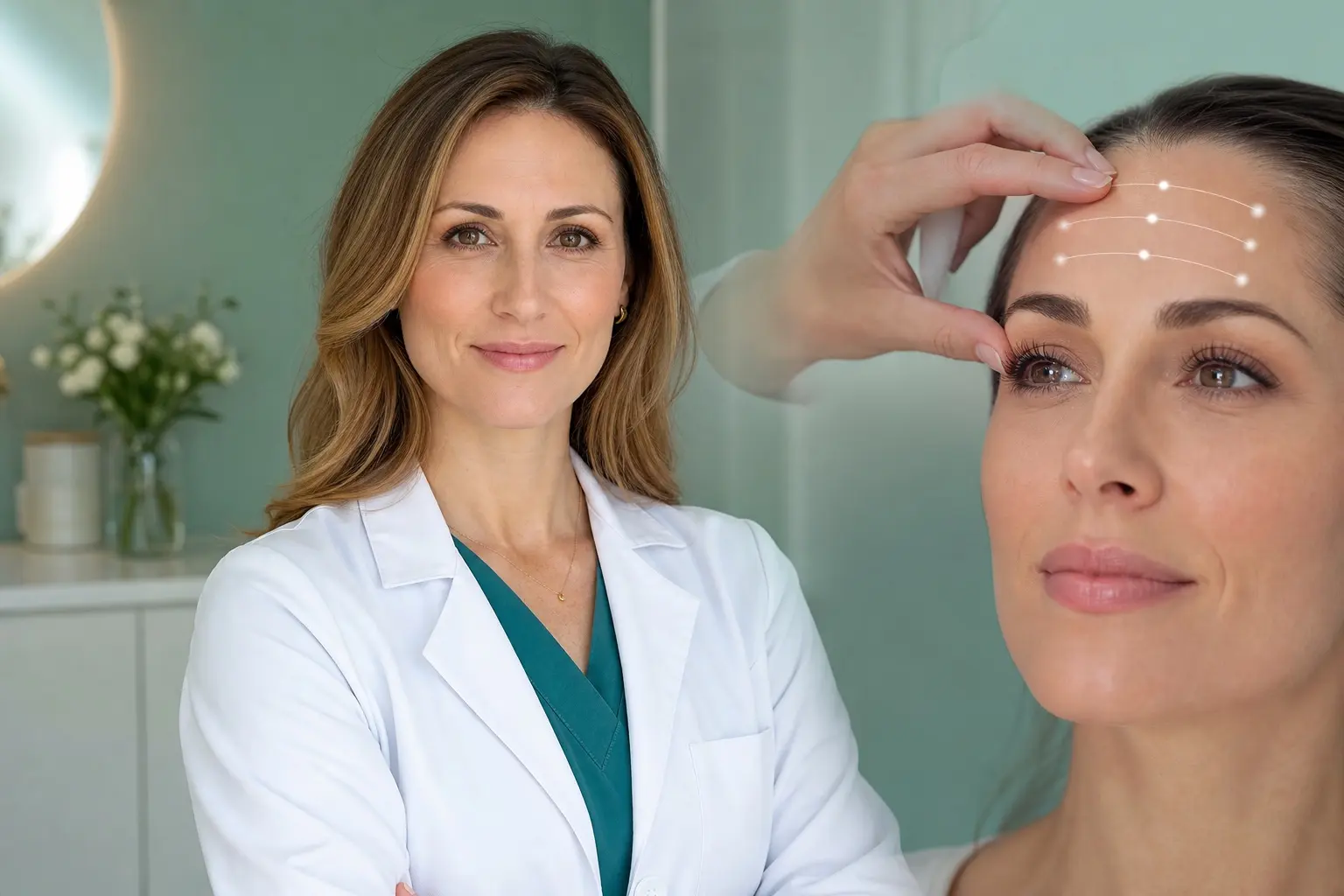
In this guide, Dr. Manal Emarah — Dermatology and Aesthetic Medicine at Joele Clinics, Jeddah — explains what these injectables mean in practice, who they suit, how they differ from classic fillers.

In aesthetic literature, “regeneration” usually points to interventions aiming to restore tissue quality and function through biological mechanisms — healing responses, matrix remodeling, and dermal hydration — not only temporary camouflage.
In clinic, the term may cover several families:
Not every product marketed as “regenerative” has the same evidence strength, protocol, or safety profile.
| Point | Classic filler (often volumetric HA) | Regenerative injectables |
|---|---|---|
| Primary goal | Volume, contour, line correction | Skin quality, hydration, elasticity, texture |
| Onset | Often relatively immediate | Gradual over weeks/sessions |
| Realistic look | Clear shape change when needed | Healthier, calmer-looking skin without exaggeration |
Both can be combined when appropriate: quality work plus selective volume — after individual assessment.
Uses autologous growth-factor signaling. Meta-analyses and trials report gains in satisfaction and some aging-skin endpoints, with important protocol heterogeneity.
Often chosen for hydration, elasticity, and dermal microenvironment support. Clinical signals are encouraging, while standardization continues to evolve.
Primarily drive gradual collagen remodeling rather than instant fill alone. They need precise technique, dilution, and expectation setting.
Focus on dermal hydration and texture without a “puffy” look — useful for dryness and rough texture within quality-first plans.
Scientifically interesting, but products, regulation, and clinical evidence vary widely. Clinic decisions should stay product-specific and cautious.

They may not be first-line when large volumetric correction is the main need, medical contraindications exist, or expectations demand dramatic one-session transformation.
Results vary with age, smoking, sun exposure, home care, and product choice. Honest expectations are part of good medicine.
Common effects are local and temporary: redness, mild bruising, tenderness, or short-lived swelling. Higher-risk issues relate to:
These procedures belong in a specialist clinic after direct consultation — not a generic internet protocol.

At Joele Clinics in Jeddah, Dr. Manal Emarah provides an aesthetic dermatology assessment covering:
Book a consultation for a plan matched to your skin, age, and lifestyle.
Regenerative injectables focus on biological skin quality — hydration, elasticity, and smoother texture — with results that depend on product and protocol. They are not an automatic filler substitute and not instant magic, but a strong option when chosen carefully under medical supervision.







Add your Comment