Is PN the New Filler? What Polynucleotide Injections Actually Do for Skin Quality

Derma 2 hours ago
Polynucleotide injections for skin quality with Dr. Manal Emarah at Joele Clinics

Share article

Introduction: why PN and filler get confused

As aesthetic injectables spread, a common question appears: “Are polynucleotides a smarter or cheaper filler alternative?” The short medical answer from Dr. Manal Emarah at Joele Clinics: No — they are not a filler replacement for volume loss. Each modality has a different job. Mixing them up creates wrong expectations and disappointing results.

This guide explains what polynucleotide (PN) injections are, how they work on skin quality, where they stand versus filler, and when combining with filler and/or Botox makes sense — in clear clinical language for patients in Jeddah.
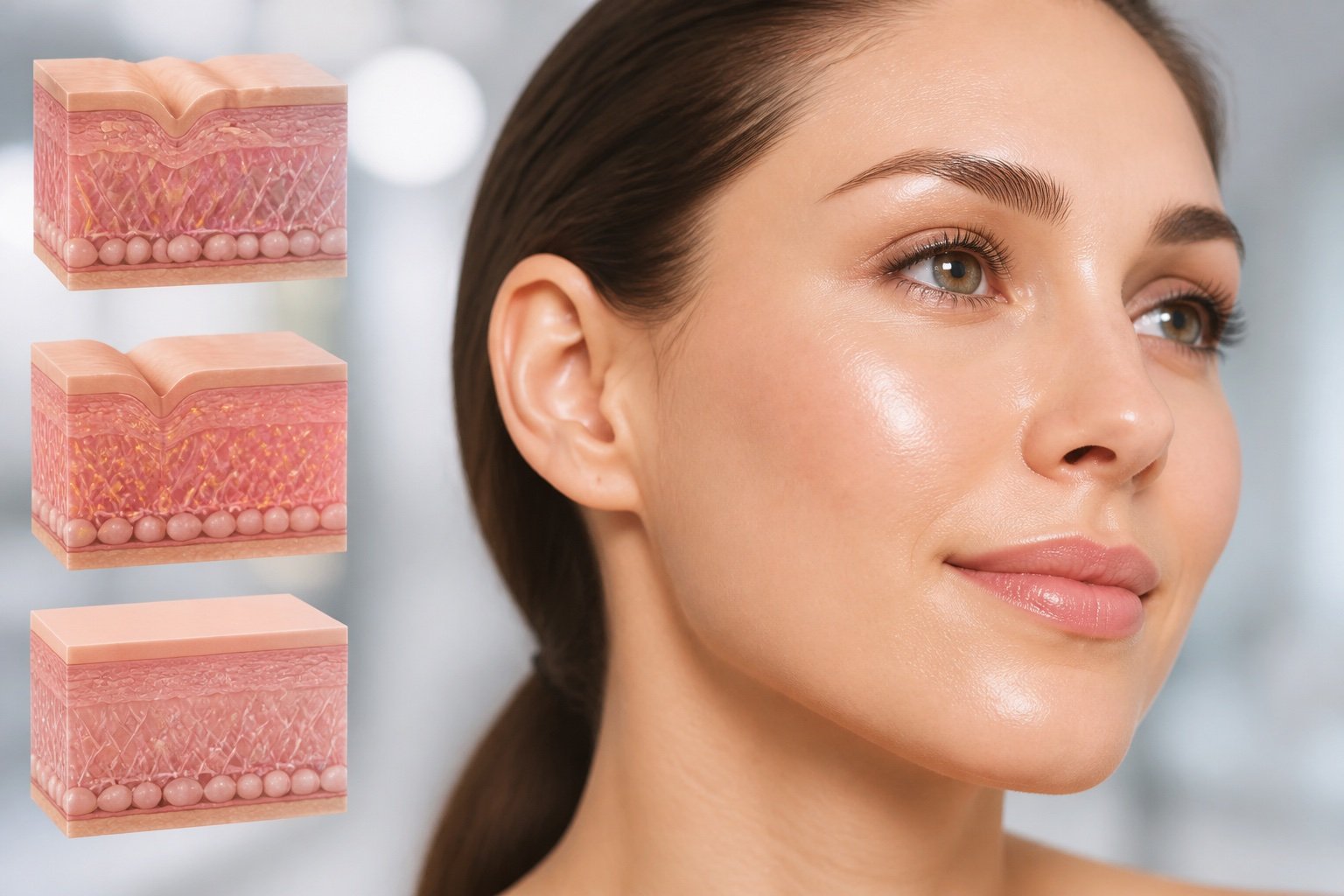
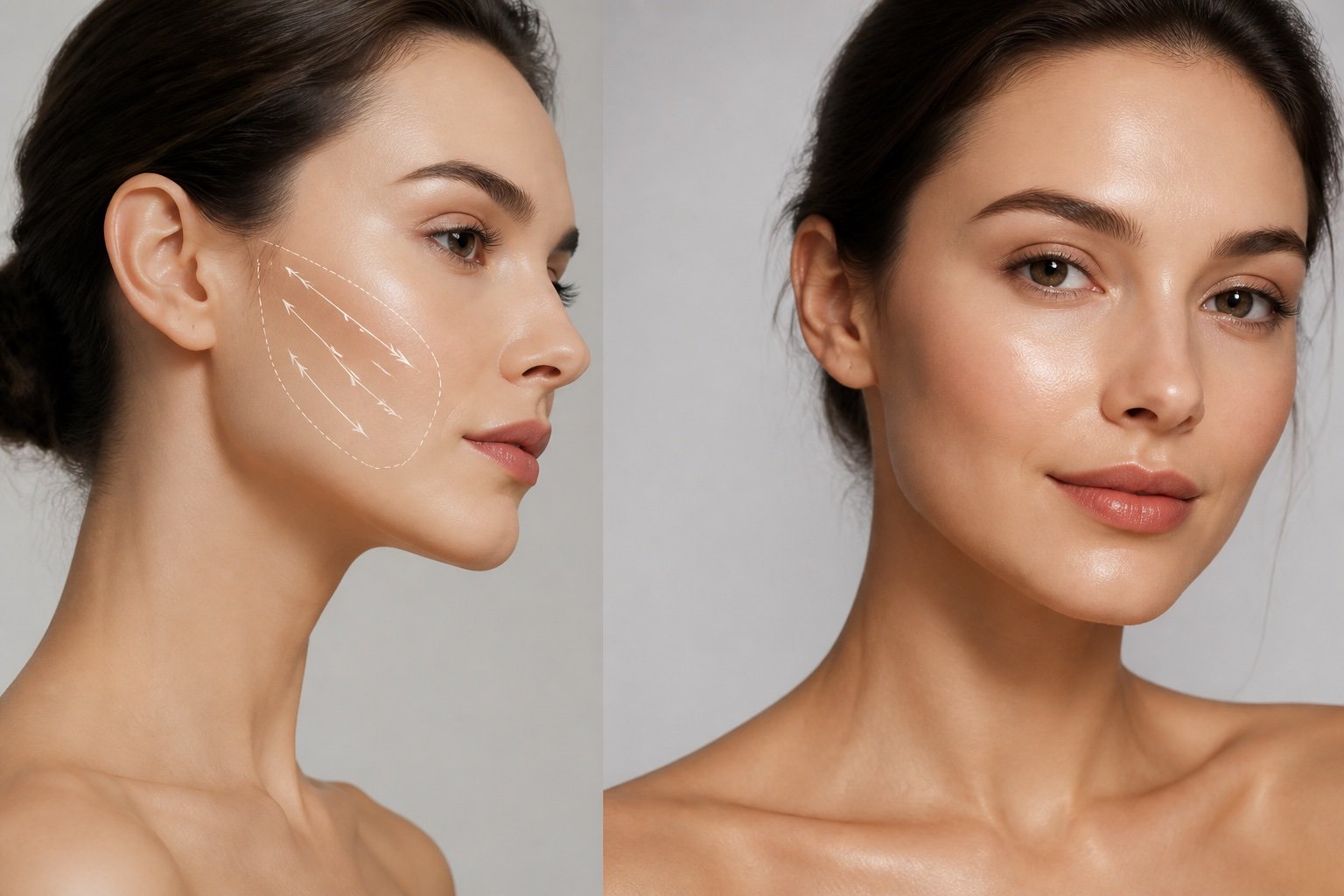
Educational images: skin quality vs volume

Improved skin quality and texture after polynucleotide injections
Polynucleotides target hydration, elasticity, and skin quality — not volume the way fillers do.
Educational comparison: skin quality with polynucleotides versus volume with filler
PN ≠ filler: one supports skin quality; the other shapes volume and contours when needed.

These visuals capture the key message:

  • Polynucleotides support skin quality: hydration, elasticity, texture, tired-looking skin.
  • Volumizing fillers restore or shape volume and contours.
  • Swapping one for the other for the wrong goal leads to a mismatched result.
  • Thoughtful combination is possible when you need quality and volume in different areas.

What are polynucleotide (PN) injections?

Polynucleotides are injectable compounds used in biorevitalization protocols. Typical clinical aims include:

  • Improving tissue quality and deeper hydration.
  • Supporting tired, dry, or less elastic-looking skin.
  • Contributing to a smoother, healthier-looking texture over time.

Unlike volumizing filler, PN is not primarily designed to lift the cheek, fill the lip, or rebuild the jawline. It is closer to “injectable quality care” than to “volumetric sculpting.”

Skin quality ≠ volume: the core medical distinction

Improved skin quality and texture after polynucleotide injections
Polynucleotides target hydration, elasticity, and skin quality — not volume the way fillers do.
Factor Polynucleotides (PN) Volumizing filler
Goal Quality, hydration, elasticity Volume, shape, structural support
Clear volume loss Not an adequate substitute Usually the appropriate option
Dull / tired skin May be suitable Not the primary goal
Immediate volume change Limited or not intended Often visible by area

Medical bottom line: PN ≠ filler. Anyone promising that PN “replaces filler for everything” is mixing two different concepts.

Are polynucleotides a filler alternative?

Educational comparison: skin quality with polynucleotides versus volume with filler
PN ≠ filler: one supports skin quality; the other shapes volume and contours when needed.

Not as a general substitute for volume loss. If your concern is:

  • “My cheeks dropped,” “under-eyes look hollow from volume,” or “lips lost fullness” → filler (or another volume plan) is usually discussed.
  • “My skin looks dull / dry / poor quality despite skincare” → PN or other quality protocols may fit better.

After PN you may look fresher without true structural volume — that does not mean hollow areas were filled. Dr. Manal Emarah keeps this distinction clear so one modality is not swapped for another hoping for an impossible result.

When to combine PN with filler or Botox

  1. PN + filler: when you need skin quality across areas and volume at specific points (cheek, lip, jawline…) — each tool for its role.
  2. PN + Botox: Botox softens dynamic lines; PN supports skin quality. They are not substitutes for each other.
  3. Session sequencing: timing and intervals are set by the physician based on product, area, and tissue condition.

Common mistakes: injecting “everything in one day” without a plan, or expecting PN to erase the need for Botox on strong movement lines.

Sessions and what to expect

  • Assessment visit with realistic goals by area.
  • A spaced series of sessions depending on product and response.
  • Skin-quality results tend to build gradually (hydration, texture, overall look) more than an instant volumetric before/after.
  • Maintenance later based on lifestyle, age, and skin status.

Mild redness or bruising can occur as with other injections; after-care instructions are part of safety.

Who is a good candidate — and who is not

PN may suit patients with tired, dry, or mildly–moderately less elastic skin who want quality improvement without obvious added volume.

It may not be the sole or best option when the main request is clear structural volume restoration, or when medical/skin contraindications appear on exam.

Pregnancy, active inflammation, and special conditions are discussed individually. There is no single Instagram protocol for every face.

Questions patients ask before deciding

  • Is PN cheaper so I should replace filler? Price is not a medical substitution criterion; the goal is.
  • Does it lift the face? It is not a volumetric lift like threads or structural filler.
  • Does it replace home skincare? No — it complements a good routine and sun protection.
  • Are results permanent? Skin quality needs maintenance; it is not a permanent tattoo.

Consultation with Dr. Manal Emarah at Joele Clinics

If you were told polynucleotides are “a filler alternative” and feel unsure, ask for an assessment that separates quality problems from volume problems. At Joele Clinics in Jeddah, Dr. Manal Emarah explains the medical difference and builds a PN plan, a filler plan, or a thoughtful combination — without misleading promises.

Book a consultation to discuss goals, target areas, and the right session sequence.

Add your Comment

Articles that may interest you

Book Now