
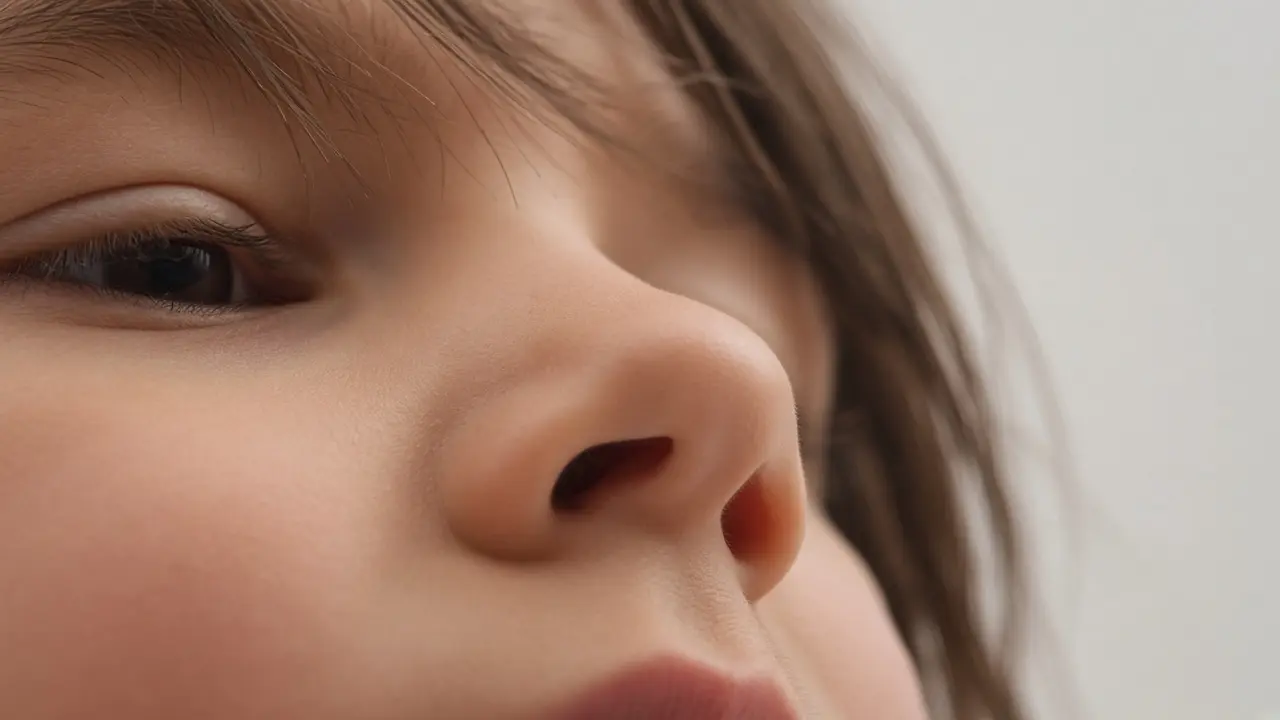
Parents often ask: my child’s nostrils look very small — is that normal? Could it explain mouth breathing or snoring?
Dr. Saeed Anjari notes that external appearance alone is not enough. What matters is whether the child breathes efficiently through the nose, resorts to the mouth, and whether sleep or jaw growth is affected.
This article connects the parent observation, nasal airway function, and the orthodontist’s role in early assessment in Jeddah.
Source: explanatory video with Dr. Saeed Anjari — Joele Clinics.
Key points from the short:
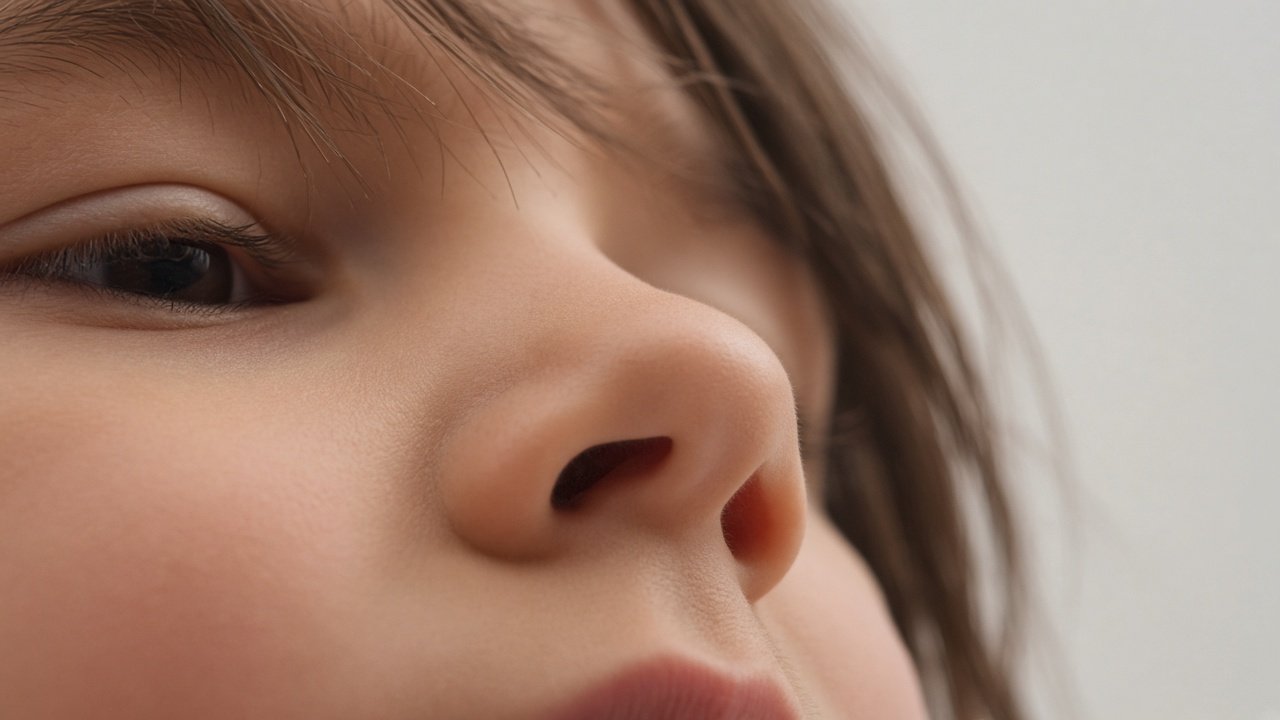
Parents may mean nostrils that look narrow for the face, hard airflow during colds, or mouth breathing even on ordinary days. Clinical review looks at:
That separates a simple anatomic variation from a breathing pattern that affects growth.
Care may coordinate pediatrics/ENT and orthodontics depending on the cause.
The orthodontic role is assessment and guidance first:
“Immediate expansion for every child” is not the rule; decisions follow diagnosis.
At Joele Clinics in Jeddah, Dr. Saeed Anjari — Orthodontics and Dentofacial Orthopedics Specialist — provides early assessments that clarify whether a finding is within normal growth or needs monitoring or guided care.
Book a consultation to evaluate your child and receive a clear age-appropriate recommendation.
Small nostrils are a common observation, but medical judgment depends on breathing function and effects on sleep and jaw growth. Watch Dr. Saeed Anjari’s video, then book an evaluation if mouth breathing or snoring is frequent.








Add your Comment