

Veneers can beautifully improve color, shape, and minor spacing—but they are not instant solutions for every smile. Placing veneers too early in the wrong case can lead to short-lived results or damage.
At Joele Clinics, Dr. Israa Al Khatib outlines four common situations where veneers are not suitable until the underlying problem is treated. Golden rule: successful esthetics start with accurate diagnosis and healthy teeth and gums.
Source: short video on cases where veneers are not suitable with Dr. Israa Al Khatib — Joele Clinics.
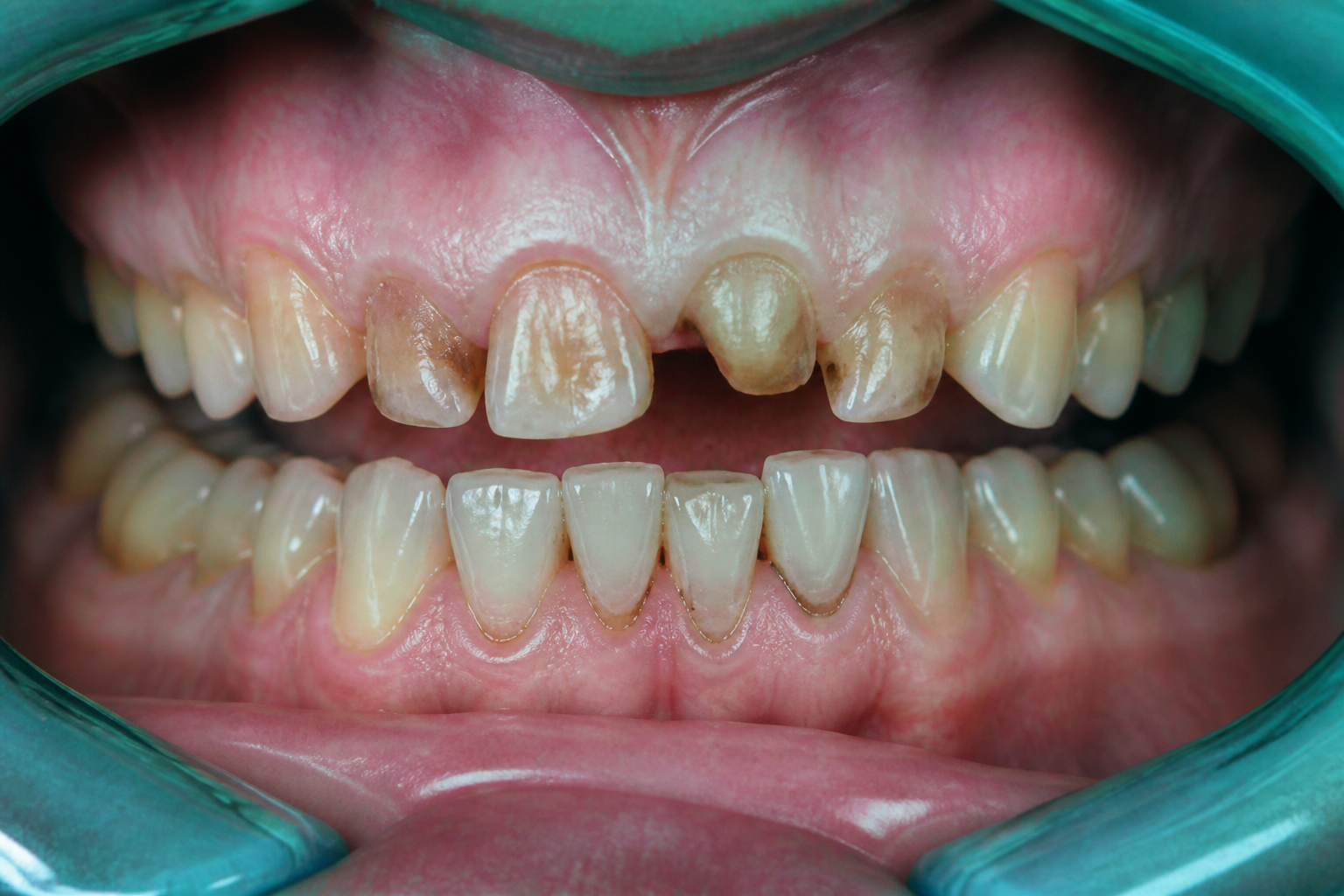
If tooth structure is compromised, veneers alone do not fix the foundation. Restore decay, assess pulp vitality, rebuild missing structure, then reassess whether a veneer or full coverage crown is more appropriate.
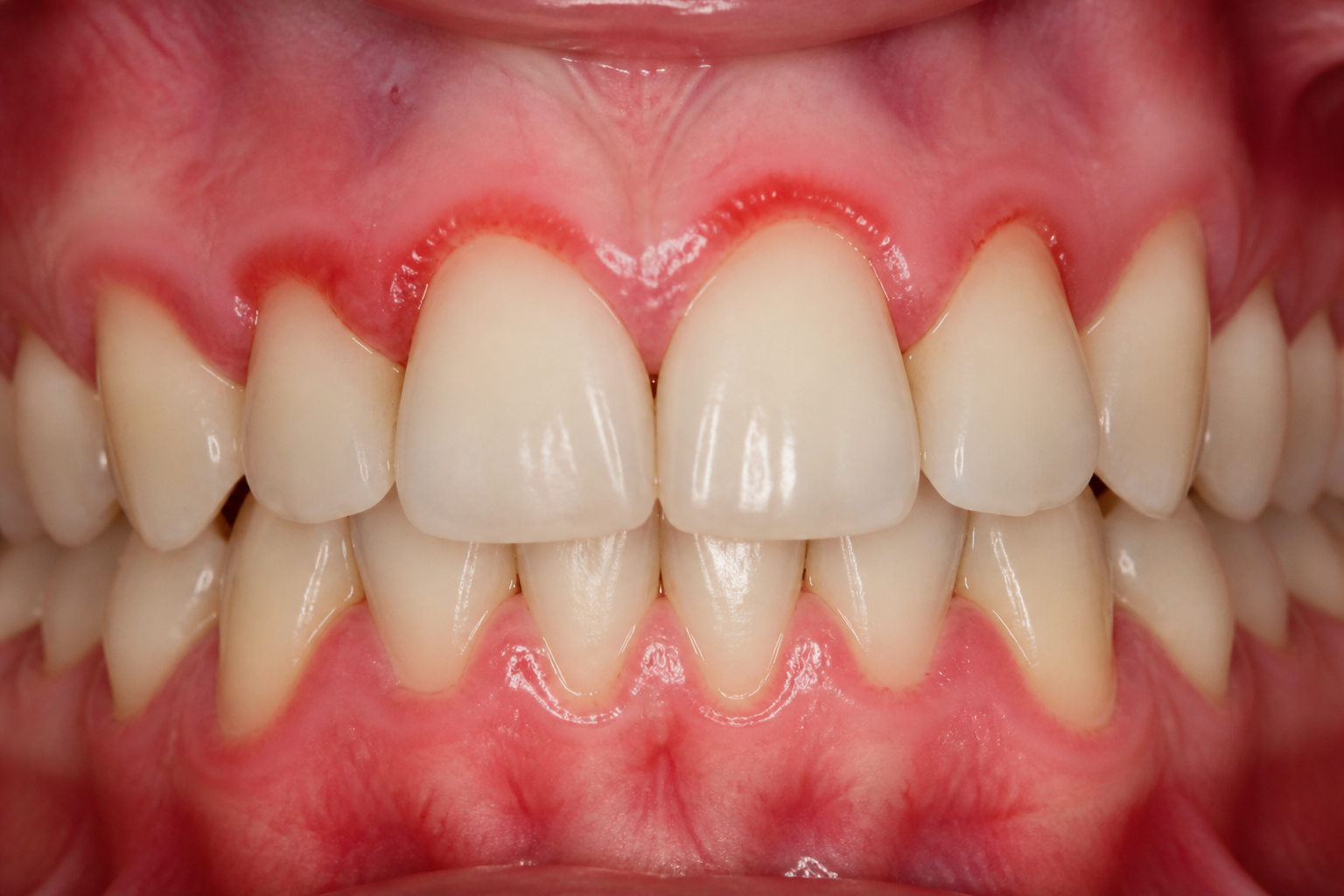
Unstable gums around veneer margins often mean ongoing inflammation, uneven esthetics, and cleaning difficulties. Treat periodontal disease first—sometimes with a gum specialist—then reconsider cosmetics.
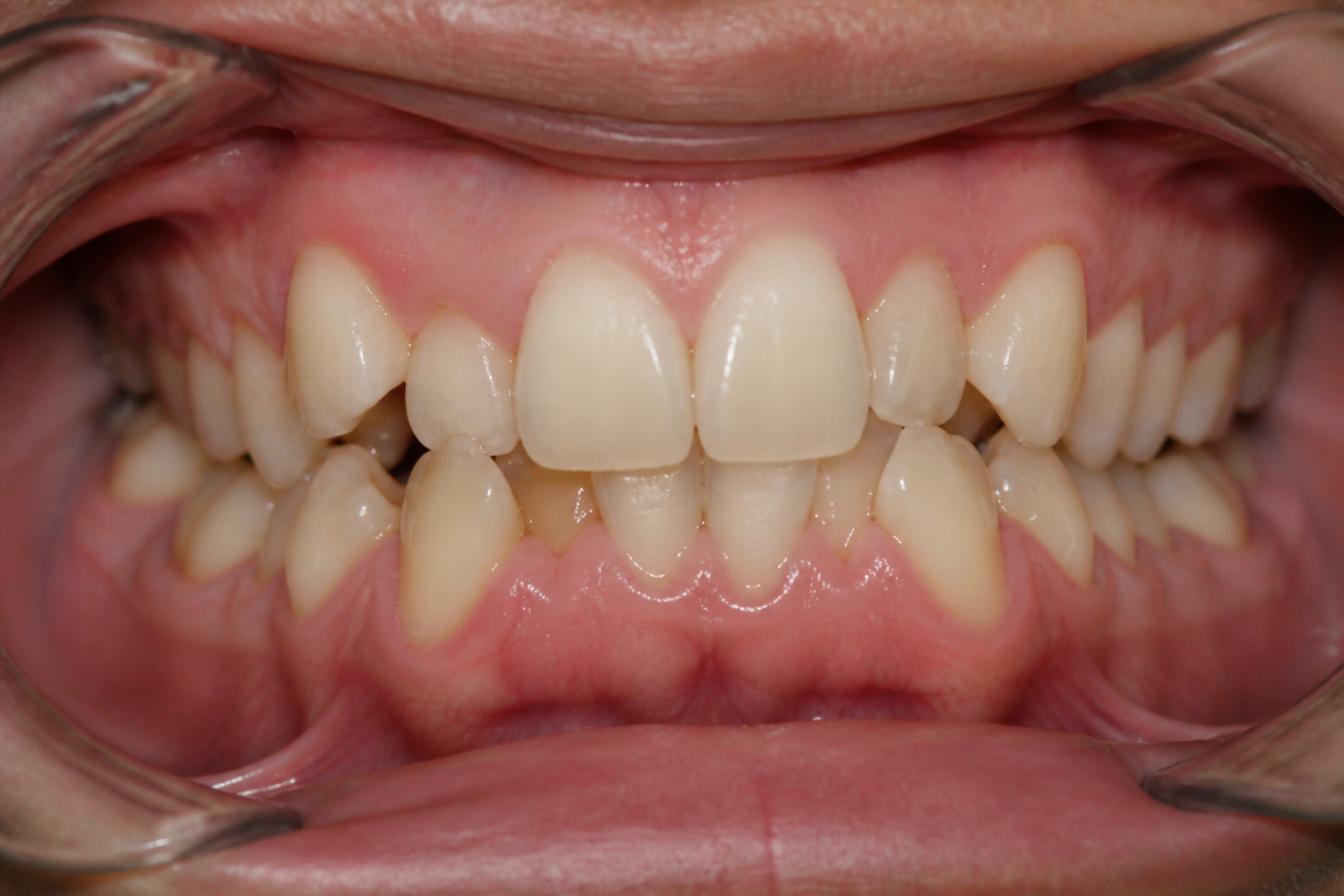
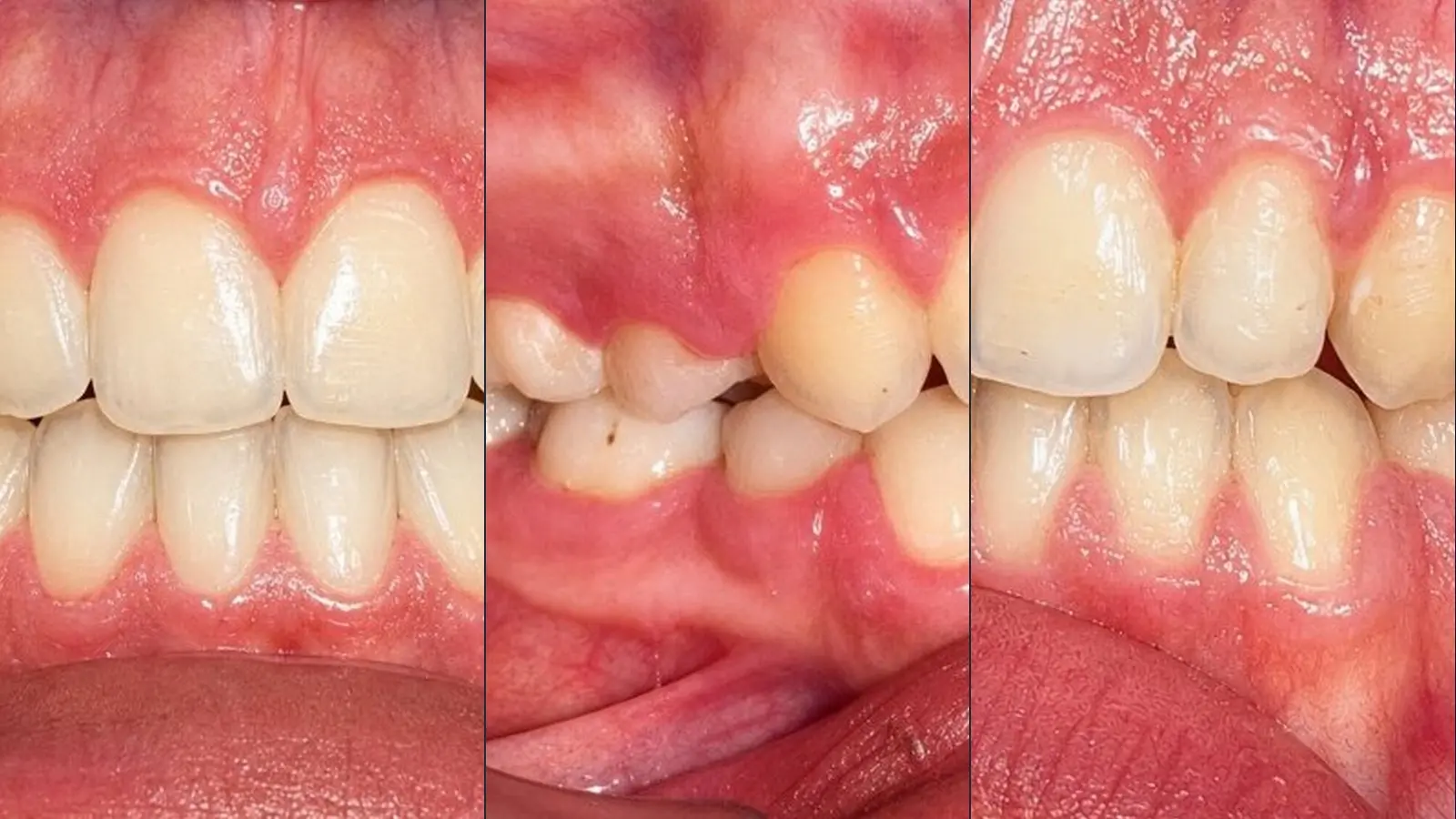
Severe protrusion, crowding, edge-to-edge bite, or reverse bite should usually be managed orthodontically first. Veneers cannot truly correct jaw/tooth relationships and may chip or fail under bad forces.
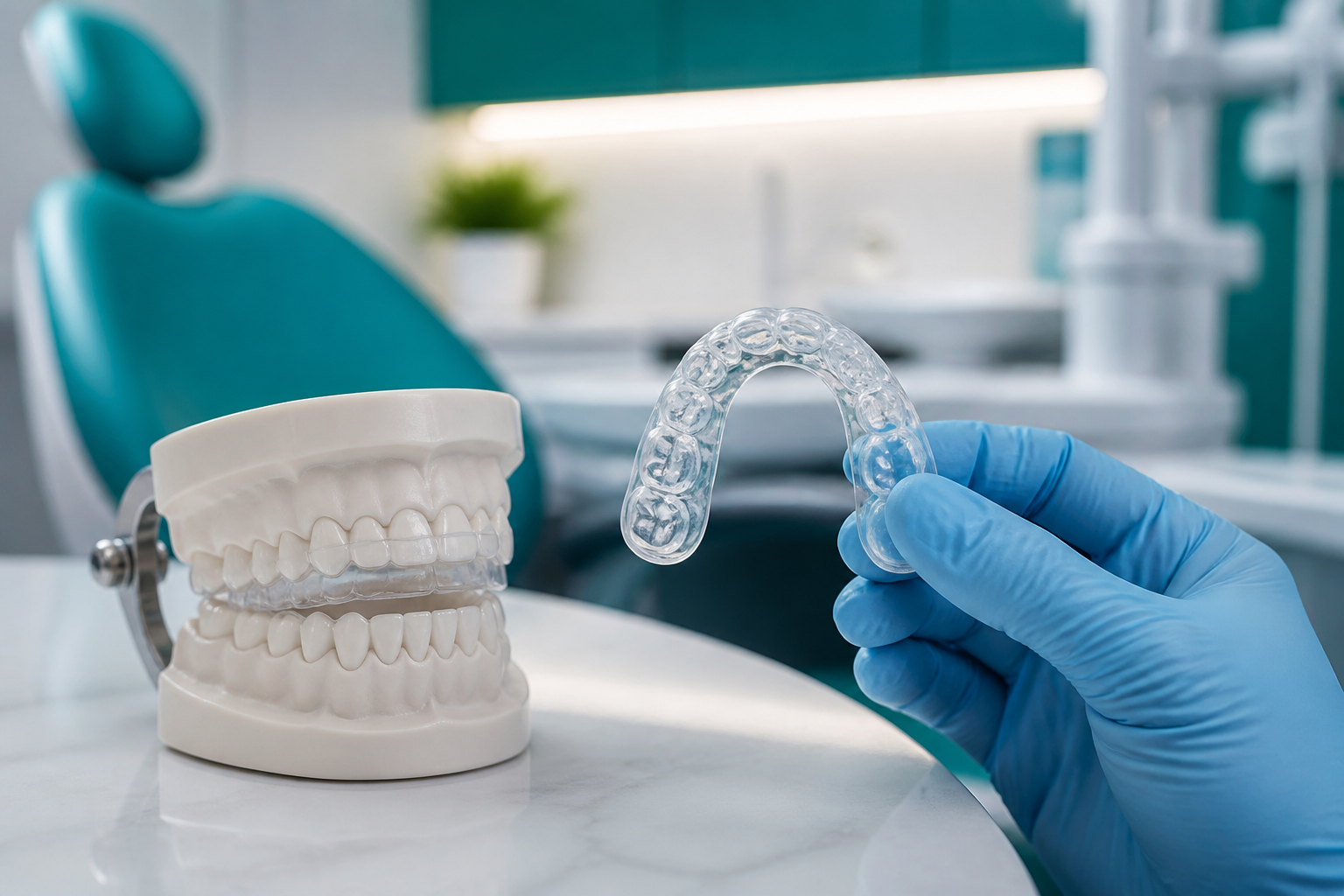
Night-time grinding can fracture veneers even with excellent bonding. Diagnosis, a protective night guard, and follow-up are essential before or with any veneer plan.
Four situations where veneers should wait: weak teeth, chronic gum disease, malocclusion, and bruxism. Watch Dr. Israa’s video above, then book a precise assessment at Joele Clinics to learn whether you are ready for veneers now.




Add your Comment